ECB Warning: Stablecoins Could Drain Bank Deposits and Destabilize Finance

The European Central Bank (ECB) has issued a stark warning regarding the growing influence of stablecoins on the traditional banking sector. ECB board member Piero Cipollone outlined a three-layer threat posed by digital payments, specifically highlighting how stablecoins could drain bank deposits and undermine the fundamental credit mechanisms of the economy.
As a strategic countermeasure, the ECB is pitching the digital euro as the essential structural solution to maintain monetary sovereignty. By implementing a central bank digital currency (CBDC), the ECB aims to provide a stable, public alternative to private digital assets, ensuring that the shift toward digital payments does not compromise financial stability.
To combat this potential instability, Cipollone argues that the digital euro is the only structural answer to preserve the integrity of the financial system. Rather than relying solely on regulation, the ECB views the introduction of a digital euro as a necessary step to provide a public-sector foundation for digital transactions, shielding the eurozone from the volatility and fragmentation associated with private stablecoins.
This is a summarized and adapted version by Artificial Intelligence. To read the complete original story, visit the official source.
Read Full Article at DecryptSupport Jornal Bitcoin
Independent journalism, curated by AI, no clickbait. Keep the flame alive with any amount of BTC.
jonata@walletofsatoshi.comDaily Crypto Brief 📬
Subscribe to receive the curation of the most important Bitcoin and crypto news, summarized by AI. No spam.
Join more than 10,000 smart readers.
Related News

FTX Recovery Update: $900M Payout to Creditors Set for July 31
This substantial influx of capital is a critical component of the liquidation process aimed at compensating victims of the exchange's collapse. As the July 31 deadline approaches, the crypto community is closely monitoring the impact of these distributions on market sentiment and the broader regulatory landscape surrounding exchange insolvency.

CLARITY Act: Senator Lummis Pushes for Faster Crypto Crime Interdiction
As the act moves toward a potential 2026 implementation, the focus remains on enhancing the ability of authorities to intercept criminal transactions effectively. By streamlining these processes, the legislation seeks to foster a more secure environment for digital assets while ensuring that crypto-related crimes face swift and decisive legal consequences.

War Alert: US-Iran Invasion Odds Surge to 27.5% Amid $44M Polymarket Volume
Reports of explosions in Yazd and other Iranian territories, allegedly linked to a new wave of US strikes, have intensified global anxiety. As geopolitical tensions rise, the rapid movement in Polymarket serves as a high-stakes barometer for investors monitoring the risk of a direct US-Iran conflict.
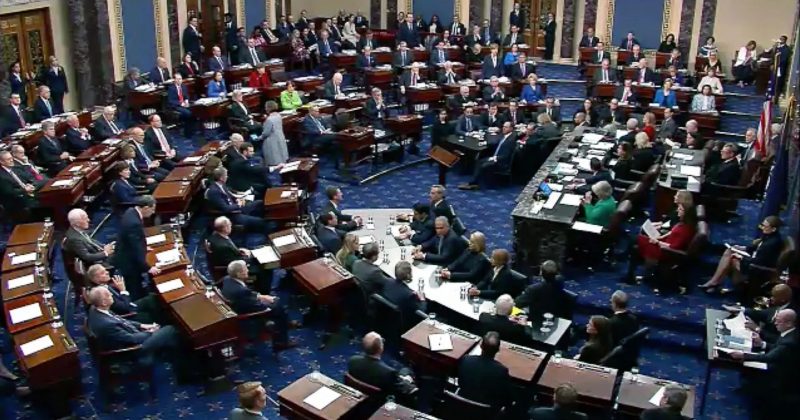
High Stakes: Senate Set to Vote on CLARITY Act Amid Intense Ethics Debate
With a projected full implementation timeline reaching 2026, the stakes for the crypto market are incredibly high. The current legislative friction suggests that the path to passing the CLARITY Act will be fraught with political maneuvering, directly impacting how crypto compliance and transparency are handled globally.

Game Changer in Nigeria: President Tinubu Signs Executive Order to Regulate Crypto Sector
This strategic intervention aims to safeguard citizens from widespread fraud and financial scams within the digital asset space. By establishing a formal framework, the Nigerian government is moving to provide the institutional clarity and security necessary for the long-term growth of the crypto market.

FTX Unlocks $900M: Fifth Round of Creditor Repayments Set to Begin
Under the current FTX recovery plan, the distribution terms are highly specific: convenience claims under $50,000 are slated to receive a 120% reimbursement, while other categories will see payouts between 103% and 105%. This move follows the distribution of $10 billion since the bankruptcy filing, marking a critical step in the ongoing efforts to restore liquidity to affected users.
