Reserve Bank of India Doubles Down on Crypto Ban to Fight Tax Evasion

The Reserve Bank of India (RBI) has maintained its hawkish stance against digital assets, prioritizing the fight against tax evasion over technological integration. Despite a global shift toward embracing blockchain and digital finance, Indian regulators remain steadfast in their mission to prevent financial loopholes and ensure strict oversight of the crypto ecosystem.
This regulatory friction highlights a significant divergence between India and the global trend of digital asset adoption. By focusing heavily on mitigating risks related to tax evasion and capital flight, the RBI is signaling that the path to legal crypto integration in India remains blocked by stringent fiscal security concerns.
The Reserve Bank of India (RBI) continues to favor a restrictive approach toward cryptocurrencies, aiming to curtail tax evasion and maintain financial stability. According to Reuters, Indian regulators are maintaining a hawkish stance, resisting the growing global trend of governments embracing digital assets and blockchain technology. The central bank's priority remains the protection of the national economy from the potential risks associated with unregulated digital finance.
This is a summarized and adapted version by Artificial Intelligence. To read the complete original story, visit the official source.
Read Full Article at CoinDeskSupport Jornal Bitcoin
Independent journalism, curated by AI, no clickbait. Keep the flame alive with any amount of BTC.
jonata@walletofsatoshi.comDaily Crypto Brief 📬
Subscribe to receive the curation of the most important Bitcoin and crypto news, summarized by AI. No spam.
Join more than 10,000 smart readers.
Related News

Supply Shock Imminent? Germany’s Bitcoin Wallet Nears End of Massive Selloff
This transition marks a potential turning point for Bitcoin price action, as the removal of government-held supply reduces systemic uncertainty. As the German selloff winds down, the market may finally transition from a defensive posture to one driven by organic demand and scarcity.
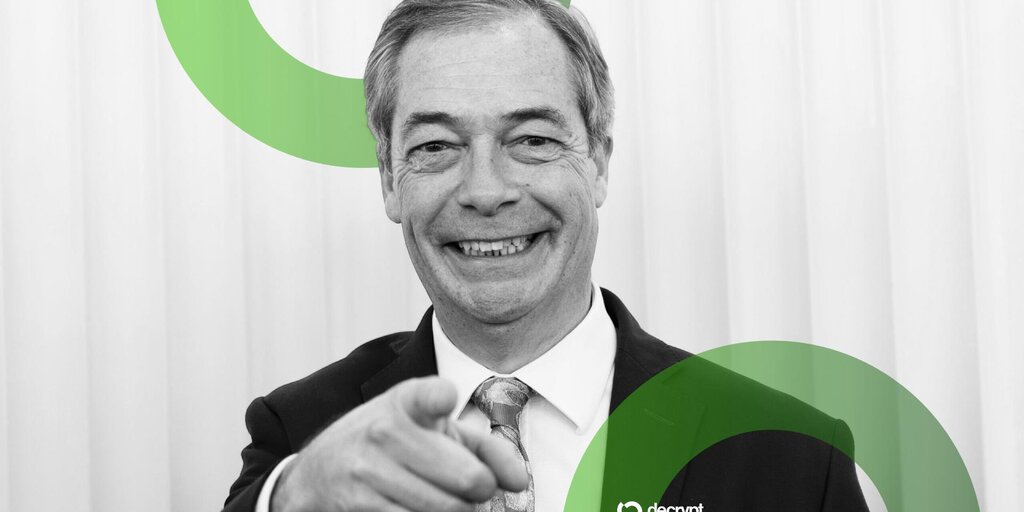
Banking Red Flag: Suspicious Activity Report Filed Over Farage's £5M Gift From Tether Billionaire
The report has officially invited the National Crime Agency (NCA) to scrutinize the transaction and determine if there are sufficient grounds for a criminal investigation. As the agency reviews the case, the intersection of crypto-wealth and political figures remains under intense scrutiny, highlighting the growing tension between digital assets and traditional banking oversight.

AAVE Price Prediction: $97 or $81? The MACD Flatline Signaling a Massive Breakout
This MACD flatline forces a binary decision for traders, with price targets oscillating between a bullish recovery to $97 or a bearish slide to $81. As volatility prepares to surge, monitoring this momentum shift is crucial for anyone tracking AAVE price action and broader DeFi market trends.

World Cup Scandal: Mostafa Zico Claims Match Was 'Rigged' in Fiery Interview, Igniting VAR Fury
Zico's claims highlight ongoing concerns about VAR's impact on game integrity, suggesting that technological intervention may be doing more harm than good. The fallout threatens to undermine global trust in officiating decisions and intensifies the scrutiny on how major tournaments are governed.

Ethereum ETF Race Hits Final Stretch as Issuers Update Key Filings
This transition signals that the infrastructure for institutional adoption is nearing completion. As issuers refine their regulatory filings, the focus shifts toward the immediate impact on market liquidity and the potential for a massive influx of capital into the Ethereum ecosystem, marking a pivotal moment for the entire crypto asset class.

Institutional Surge: Why Japanese Firms Are Loading Up on BTC and XRP
Driven by the persistent weakness of the yen, corporations are increasingly turning to crypto assets to hedge against currency devaluation. This trend highlights a growing institutional appetite for digital assets as a legitimate tool for capital preservation in the face of macroeconomic instability.
