Bitcoin.com

2013 Bitcoin Whale Awakens, Moving 500 BTC as Coldcard Fear Intensifies
August 3, 202612:08 PM
2013 Bitcoin Whale Awakens, Moving 500 BTC as Coldcard Fear Intensifies

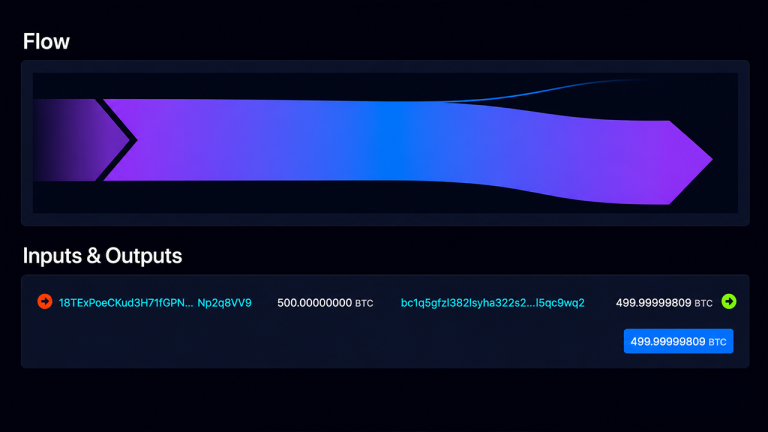
Amid the Coldcard chaos that has rattled bitcoin holders for days, a wallet dating back to Dec. 2013 suddenly shifted 500 BTC at block height 960867. The eye-catching transfer lands as a growing string of long-dormant wallets has sprung back to life, adding fresh intrigue since the Coldcard breach first surfaced on July 30. This movement of an ancient whale fuels speculation in the Bitcoin market, with investors closely monitoring the behavior of dormant wallets. The reactivation of 2013 wallets coincides with increasing fear surrounding Coldcard security, raising questions about confidence in cold wallets and the potential impact on Bitcoin's price as large volumes are moved after years of inactivity.

This is a summarized and adapted version by Artificial Intelligence. To read the complete original story, visit the official source.

Read Full Article at Bitcoin.com
QR Code Lightning

Support Jornal Bitcoin

Independent journalism, curated by AI, no clickbait. Keep the flame alive with any amount of BTC.

Wallet of Satoshi
jonata@walletofsatoshi.com

Daily Crypto Brief 📬

Subscribe to receive the curation of the most important Bitcoin and crypto news, summarized by AI. No spam.

Join more than 10,000 smart readers.

Related News

Millions in Bitcoin Stolen: Coldcard Security Flaw Exposes Critical Risk in Hardware Wallets
Livecoins★ Featured

Millions in Bitcoin Stolen: Coldcard Security Flaw Exposes Critical Risk in Hardware Wallets

A critical security vulnerability in Coldcard firmware has led to the theft of millions of dollars worth of Bitcoin, exposing a fundamental risk in the hardware wallet ecosystem. The attack didn't exploit Bitcoin protocol flaws but rather compromised the key generation process, one of the most critical security aspects of any wallet, putting self-custody users at significant risk.

This incident serves as a stark reminder that even the most trusted hardware wallets can have vulnerabilities that threaten user funds. Coldcard has released a security patch, but users must immediately verify their firmware versions. The breach also raises important questions about manufacturer responsibility and the urgent need for independent security audits in the rapidly growing hardware wallet market, where billions of dollars in digital assets are now stored.

US-Japan Yen Intervention Sparks Bitcoin Market Jitters: 5 Things to Know This Week
CoinTelegraph

US-Japan Yen Intervention Sparks Bitcoin Market Jitters: 5 Things to Know This Week

In a historic move, the United States and Japan are coordinating on yen intervention for the first time since 2011, sending shockwaves through global financial markets. Meanwhile, Bitcoin (BTC) hovers around $63,000 as traders brace for what could be a historically rough August in the cryptocurrency market.

The unprecedented collaboration between the world's two largest economies comes as investors assess the impact of the recent Coldcard wallet hack, adding layers of uncertainty to an already volatile Bitcoin landscape. This joint intervention could have significant implications for capital flows and risk perception, potentially affecting Bitcoin prices and other cryptocurrencies in the short term.
Bitcoin Magazine

Coldcard Bitcoin Heist Escalates: Over $114 Million Now Stolen in Ongoing Hack

The ongoing Coldcard wallet hack has now escalated to over $114 million in stolen Bitcoin, marking one of the largest cryptocurrency security breaches in history. This coordinated attack continues to drain funds from Bitcoin users at an alarming rate, raising serious concerns about the security of hardware wallets in the cryptocurrency ecosystem. The vulnerability specifically affects Coldcard devices, a popular hardware wallet brand considered one of the most secure for Bitcoin storage. Bitcoin investors and cryptocurrency enthusiasts are being urged to immediately verify their devices and secure their digital assets while authorities investigate the incident that has sent shockwaves through the Bitcoin market and broader cryptocurrency industry.
Coldcard Bitcoin Hack Nears $114 Million in Potential Losses

Decrypt★ Featured

Coldcard Bitcoin Hack Nears $114 Million in Potential Losses

Self-custody is under attack as the Coldcard Bitcoin hack approaches $114 million in potential losses, revealing how artificial intelligence has emerged as one of crypto's most significant threats. This incident exposes critical vulnerabilities in what was considered a secure hardware wallet solution, sending shockwaves through the cryptocurrency security landscape. The attack on Coldcard, one of the most respected hardware wallets in the market, utilized advanced AI techniques to bypass its defenses, representing an unprecedented challenge to the security of Bitcoin and other cryptocurrencies. As AI advances, hackers can identify vulnerabilities with unprecedented speed and precision, forcing the industry to rethink its digital asset protection strategies.
Your Bitcoin Wallet Security is a Lie: Coldcard RNG Flaw Exposed

CryptoSlate★ Featured

Your Bitcoin Wallet Security is a Lie: Coldcard RNG Flaw Exposed

A critical security alert for Bitcoin wallet users: a flaw in Coldcard's Random Number Generator (RNG) reveals that even with complete air gap isolation, your hardware wallet may be vulnerable. The weakness lies at seed creation, where a predictable RNG renders the entire security mechanism useless against sophisticated attacks. This incident doesn't just affect Coldcard but raises serious questions about the security of all Bitcoin hardware wallets. Users who trust their digital assets' security must urgently verify if their seeds were generated with true randomness.
Coldcard Security Failure: R$ 578 Million Lost in Historic Bitcoin Transfers
Portal do Bitcoin★ Featured

Coldcard Security Failure: R$ 578 Million Lost in Historic Bitcoin Transfers

The Coldcard wallet suffered a critical failure causing transfers of less than 1 BTC to hit levels unseen since the FTX collapse, resulting in estimated losses of US$ 105 million. This security breach undermines trust in hardware wallets and underscores the critical need for code audits before large crypto asset movements.
Jornal Bitcoin Logo