Gulf Escalation: Bahrain and Kuwait Launch Unprecedented Direct Strikes on Iran
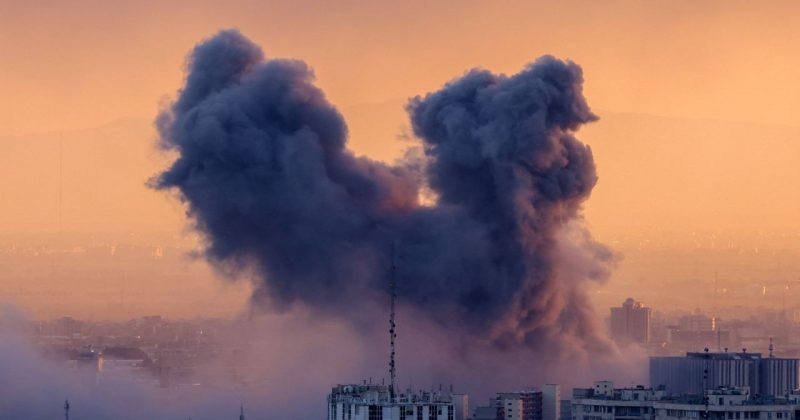
The geopolitical landscape shifted violently in July 2026 as Bahrain and Kuwait launched direct military strikes against Iran. This unprecedented Gulf retaliation marks a major escalation in regional tensions, signaling a high-risk environment for global stability and energy security.
Beyond the immediate military conflict, these strikes carry serious implications for oil markets and global economic volatility. As energy supplies face potential disruption, the ripple effects are expected to hit crypto markets and traditional finance alike, forcing a reassessment of risk management in an increasingly unstable world.
This is a summarized and adapted version by Artificial Intelligence. To read the complete original story, visit the official source.
Read Full Article at Crypto BriefingSupport Jornal Bitcoin
Independent journalism, curated by AI, no clickbait. Keep the flame alive with any amount of BTC.
jonata@walletofsatoshi.comDaily Crypto Brief 📬
Subscribe to receive the curation of the most important Bitcoin and crypto news, summarized by AI. No spam.
Join more than 10,000 smart readers.
Related News
Geopolitical Alert: Iran Warns US of 'Painful' Consequences Amid Escalating Tensions
Adding complexity to the situation, reports indicate a 29% approval rate for the proposed Iran reconstruction funding deal slated for 2026. As tensions rise, the interplay between international diplomacy and economic stability remains a key driver for macro-economic shifts and investor sentiment regarding high-risk assets.
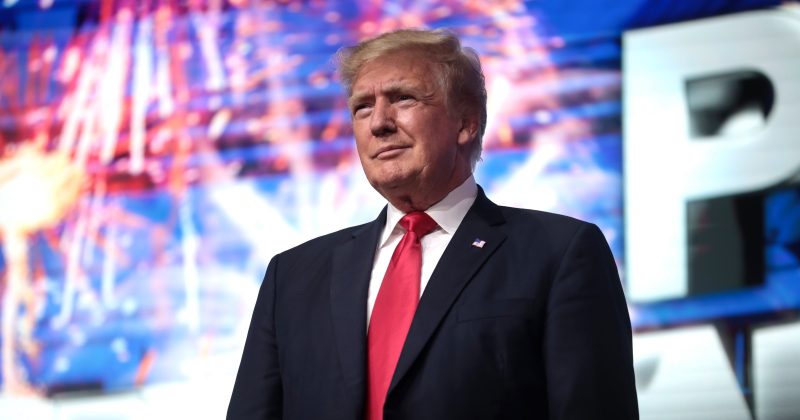
Geopolitical Alert: Trump Suggests Larger Military Operation Against Iran, Sparking Global Debate
Current intelligence suggests a 28.5% probability of an invasion occurring before 2027. As the threat of military conflict between the U.S. and Iran looms, market participants must prepare for increased volatility driven by these escalating geopolitical tensions.
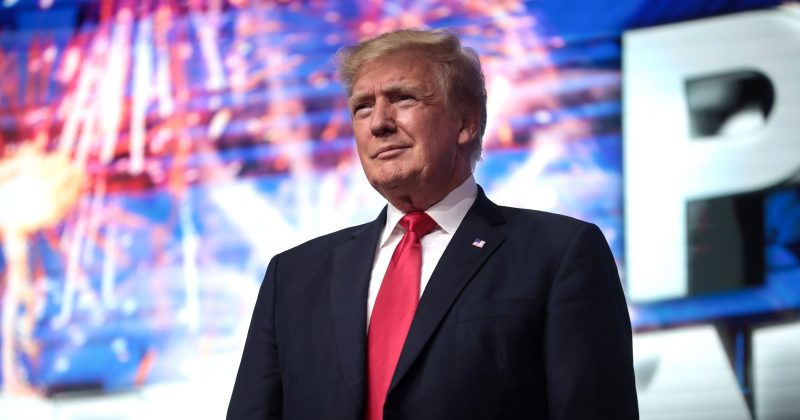
Geopolitical Flashpoint: Trump Threatens Iran and Houthis Following US Site Strikes in Kuwait
Amidst the military posturing, emerging data suggests a complex diplomatic backdrop, with US-Iran deal terms regarding reconstruction funding for 2026 currently sitting at a 29% approval rate. The intersection of immediate military threats and long-term reconstruction negotiations creates a high-stakes environment for global stability and economic forecasting.
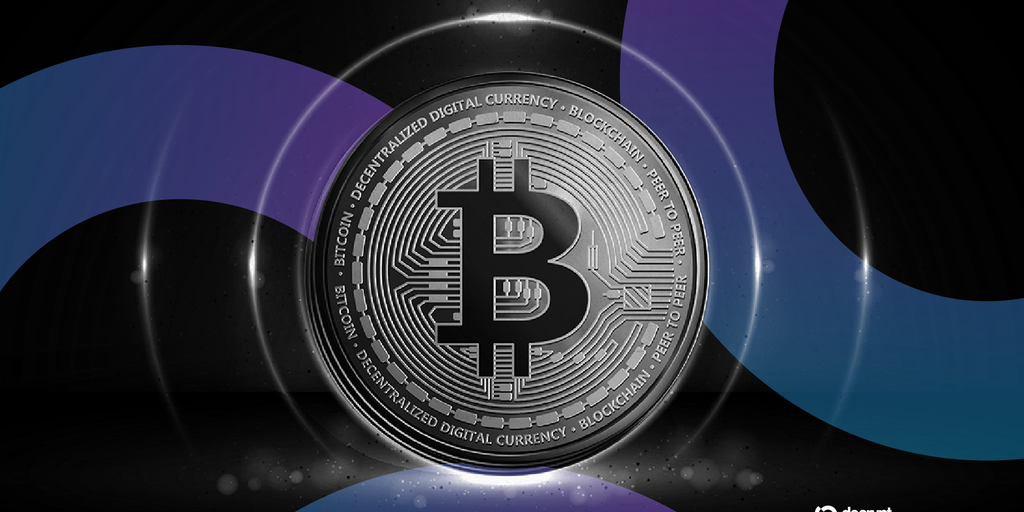
Bitcoin ETF Inflows Snap: $225M Exit as Iran-US Tensions Shake Crypto Markets
Despite the immediate sell-off led by BlackRock's IBIT, the broader market context remains cautiously optimistic, as the week managed to close in the green. This volatility highlights the sensitive correlation between crypto assets and global political stability, as institutional players recalibrate their positions in response to Middle East tensions.
War Escalation: Ukrainian Drones Strike Moscow as Russia Bombs Kyiv Defense Exhibition
As the battlefield evolves, market analysts are monitoring long-term geopolitical shifts, including a marginal 9.5% probability of Ukraine recapturing Crimea by late 2026. These military developments continue to create volatility that could impact global markets and the broader macroeconomic landscape.
Mass Return: Residents Reclaim Zawtar al-Gharbiyeh Following Israeli Troop Withdrawal
With a 35% probability of a full withdrawal beyond the Litani River by December 31, analysts are closely monitoring the potential for further de-escalation or renewed tension. Such geopolitical shifts remain a primary driver of global risk sentiment and market volatility.
