Iran Strikes on US Bases in Jordan Expose Critical Defense Vulnerabilities
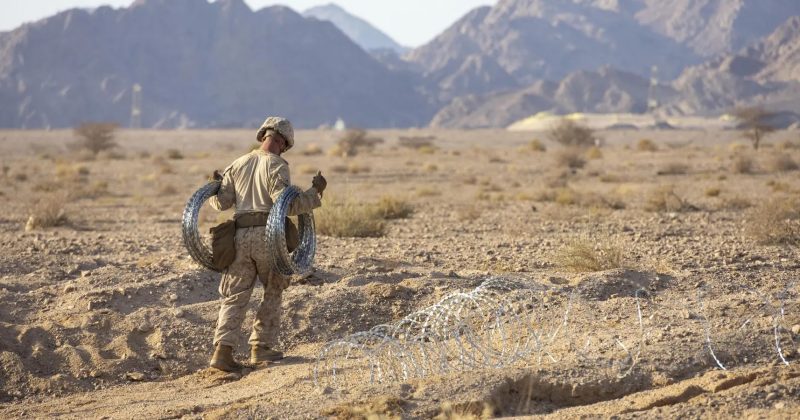
Recent Iranian strikes targeting U.S. military bases in Jordan have exposed significant defense vulnerabilities, signaling a dangerous escalation in Middle East tensions. This strategic breach highlights the fragility of current security frameworks and the heightened risk of direct confrontation between major powers.
Market analysts are closely monitoring the situation as the probability of European military action against Iran rises, with estimates jumping from 1.8% by late July to 7.5% by the end of August. Such geopolitical instability often triggers massive shifts in global liquidity and investor sentiment across all asset classes.
Iran strikes on U.S. bases in Jordan have exposed critical defense vulnerabilities, raising alarms regarding regional security and military readiness. The precision and impact of these strikes suggest a shift in the tactical landscape. Furthermore, the threat of wider conflict is mounting; current data suggests a 1.8% chance of European military action against Iran by July 31, a figure expected to climb to 7.5% by August 31. As geopolitical tensions simmer, the potential for sudden market volatility remains extremely high.
This is a summarized and adapted version by Artificial Intelligence. To read the complete original story, visit the official source.
Read Full Article at Crypto BriefingSupport Jornal Bitcoin
Independent journalism, curated by AI, no clickbait. Keep the flame alive with any amount of BTC.
jonata@walletofsatoshi.comDaily Crypto Brief 📬
Subscribe to receive the curation of the most important Bitcoin and crypto news, summarized by AI. No spam.
Join more than 10,000 smart readers.
Related News
Drone Attack Hits Kuwait-Iraq Border: Geopolitical Tensions Surge in Middle East
Beyond the immediate damage, the geopolitical implications are profound as risk models suggest a rising probability of Iranian intervention. With projections indicating a potential invasion risk climbing toward 5.9% by late August, the intersection of Middle East instability and global market volatility remains a primary concern for macro investors.

Financial Breakthrough? US Paycheck-to-Paycheck Living Hits 5-Year Low Amid Persistent Economic Anxiety
The data underscores a complex economic paradox: while improved budgeting has provided some relief, the fear of economic instability continues to drive consumer behavior. As households navigate this landscape, the necessity of strict financial planning remains a cornerstone of survival in an unpredictable market environment.
Geopolitical Chaos? RBC Warns Oil Prices Could Shatter 2008 Records
This potential surge in oil prices carries significant implications for global inflation and broader market stability. As geopolitical tensions rise, investors are bracing for a commodity shock that could reshape capital flows across both traditional energy sectors and the digital asset landscape.

Polymarket Alert: Marine Le Pen Hits 30% in 2027 France Race as Reversal Signal Emerges
This movement is further contextualized by cross-country political signals, such as Democrats leading by 11 points in U.S. congressional polling. As prediction markets increasingly bridge the gap between politics and finance, the interplay between U.S. electoral trends and French stability will likely drive significant volatility and influence broader market sentiment.

Hormuz Standoff: Lawsuit Fallout Freezes Polymarket Odds at 13.5%
This legal fallout introduces a layer of complexity to how geopolitical risks are priced in decentralized prediction markets. As the litigation unfolds, the intersection of maritime law and regional instability continues to cloud the outlook for safe passage, making it increasingly difficult for traders to navigate the volatility surrounding Middle East tensions.
US-Saudi Nuclear Deal Sparks Fears of a Middle East Nuclear Arms Race
Adding to the complexity, reports suggest that funding for Iran's reconstruction in a projected 2026 deal has received a 28.5% 'YES' vote. This intersection of nuclear diplomacy and regional reconstruction funding highlights the high-stakes tension currently defining the geopolitical landscape.
