Houthi Attacks Slow Down but Red Sea Oil Shipments Remain Under Threat

Houthi attacks on Red Sea oil shipments have entered a period of deceleration, yet the fundamental threat to maritime energy corridors has not been neutralized. This intel brief confirms that while the intensity of strikes has dipped, the operational risk for oil tankers remains a high-priority concern for global logistics.
Market analysts are closely monitoring the Bab el-Mandeb Strait, where a potential 20% closure risk has been identified by September 30. Such a disruption could tighten global energy supplies and create ripple effects across international trade and macroeconomic stability.
Houthi attacks on Red Sea oil shipments have slowed but have not halted entirely. The geopolitical instability in the region continues to threaten vital shipping lanes. Current projections indicate a potential 20% closure of the Bab el-Mandeb Strait by September 30, keeping global markets on edge regarding energy supply security.
This is a summarized and adapted version by Artificial Intelligence. To read the complete original story, visit the official source.
Read Full Article at Crypto BriefingSupport Jornal Bitcoin
Independent journalism, curated by AI, no clickbait. Keep the flame alive with any amount of BTC.
jonata@walletofsatoshi.comDaily Crypto Brief 📬
Subscribe to receive the curation of the most important Bitcoin and crypto news, summarized by AI. No spam.
Join more than 10,000 smart readers.
Related News
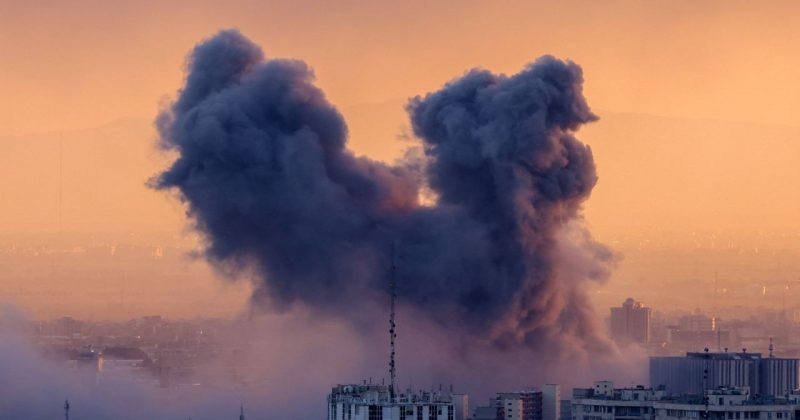
Gulf Escalation: Bahrain and Kuwait Launch Unprecedented Direct Strikes on Iran
Beyond the immediate military conflict, these strikes carry serious implications for oil markets and global economic volatility. As energy supplies face potential disruption, the ripple effects are expected to hit crypto markets and traditional finance alike, forcing a reassessment of risk management in an increasingly unstable world.

War Escalation: Ukrainian Drones Strike Moscow as Russia Bombs Kyiv Defense Exhibition
As the battlefield evolves, market analysts are monitoring long-term geopolitical shifts, including a marginal 9.5% probability of Ukraine recapturing Crimea by late 2026. These military developments continue to create volatility that could impact global markets and the broader macroeconomic landscape.

Oil Prices Dip: WTI and Brent Retreat, but a Massive 9% Surge Toward All-Time High Looms
Despite this immediate dip, the long-term outlook remains aggressively bullish. Market forecasts suggest a potential new all-time high by September 30, with an anticipated 9% surge, setting the stage for significant volatility in global markets and correlated asset classes.

Mass Return: Residents Reclaim Zawtar al-Gharbiyeh Following Israeli Troop Withdrawal
With a 35% probability of a full withdrawal beyond the Litani River by December 31, analysts are closely monitoring the potential for further de-escalation or renewed tension. Such geopolitical shifts remain a primary driver of global risk sentiment and market volatility.

Bitcoin Plummets Below $65,000 as Oil Surges Over $100 Amid Trump-Iran Tensions
Geopolitical friction has reached a boiling point, with Trump threatening Iran following tanker attacks that pushed Brent crude above the $100 mark. As oil prices climb toward weekly gains of 10%, the resulting inflationary fears and risk aversion are driving significant downward pressure on Bitcoin and the broader digital asset landscape.

Saudi-US Nuclear Deal in Jeopardy: Trump Links Energy Pact to Abraham Accords
This strategic pivot reshapes the landscape of global energy security and Middle Eastern stability. As the administration leverages nuclear technology as a diplomatic tool, the consequences for regional alliances and long-term energy infrastructure could be transformative for both the US and its allies.
