AstraZeneca Pursues Bristol-Myers Acquisition: Market Rejects $400 Billion Mega-Merger

AstraZeneca faces market rejection in its pursuit of acquiring Bristol-Myers, a merger that would create a pharmaceutical giant valued at $400 billion. Investors express significant concerns about portfolio overlap, antitrust risks, and operational divergences between the companies, leading to an immediate negative reaction from shareholders.
The acquisition proposal represents one of the largest attempted consolidations in the pharmaceutical sector in years, but the timing appears unfavorable as analysts observe different product development cycles and market strategies. The market reacts with skepticism, fearing that the complex integration could distract the companies from their core innovations and create significant regulatory challenges that might compromise the future value of the combined entity.
This is a summarized and adapted version by Artificial Intelligence. To read the complete original story, visit the official source.
Read Full Article at BlockTrendsSupport Jornal Bitcoin
Independent journalism, curated by AI, no clickbait. Keep the flame alive with any amount of BTC.
jonata@walletofsatoshi.comDaily Crypto Brief 📬
Subscribe to receive the curation of the most important Bitcoin and crypto news, summarized by AI. No spam.
Join more than 10,000 smart readers.
Related News

AstraZeneca's $400B Bid for Bristol-Myers Rejected: Market Fears Oncology Monopoly
The significant overlap in oncology areas between the two companies, combined with antitrust risks and differing operational timings, have led the market to doubt the merger's approval. Analysts point out that integrating two corporations of such magnitude would face considerable regulatory hurdles, especially in a highly regulated healthcare sector where competition is crucial for innovation and price control.

10 Mystery Investors Using 2,380 BTC to Completely Hijack Nasdaq Company and Gut Its Leadership
This unprecedented move in traditional financial markets raises questions about the growing influence of digital assets in mergers and acquisitions. The transaction, still pending capital increases and regulatory approvals, demonstrates how crypto investors are expanding their power beyond the digital realm, directly impacting established companies on traditional exchanges like the Nasdaq.
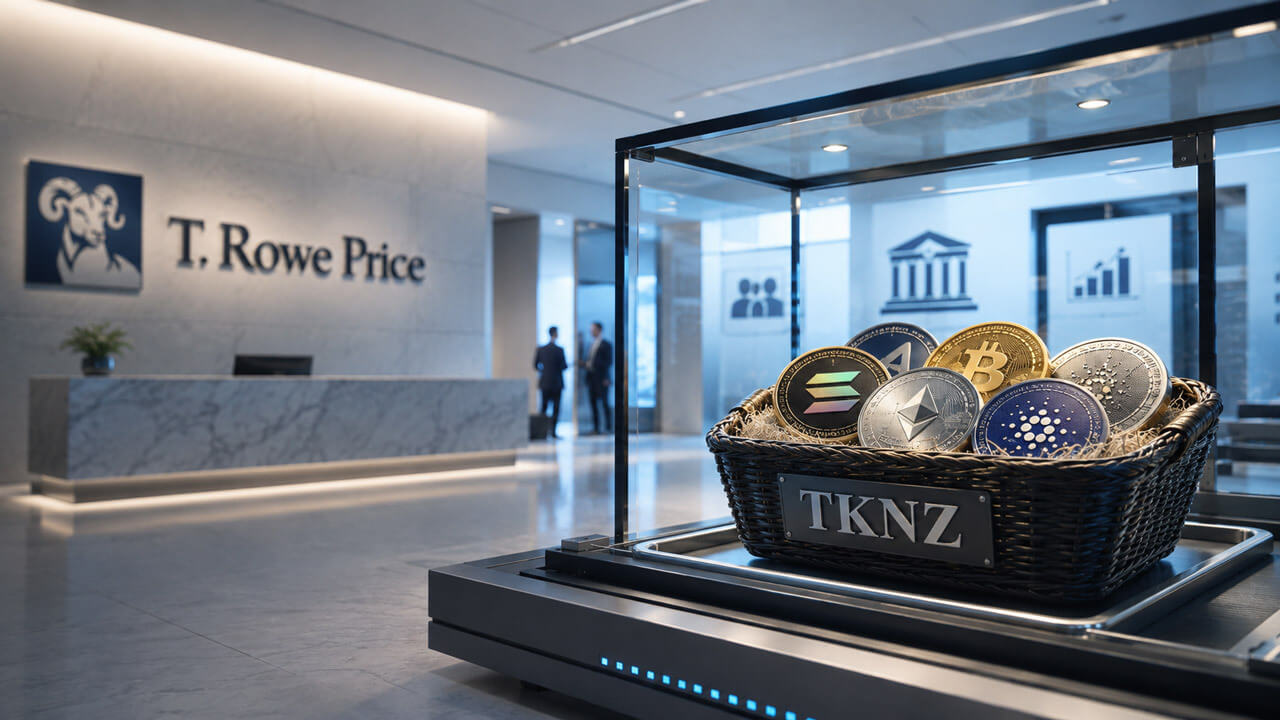
The $1.9 Trillion Test: T. Rowe Price Challenges Crypto ETF Skepticism
With 66% of its assets tied to retirement accounts and institutional advisers, T. Rowe Price is targeting the core demographic the crypto industry has spent years trying to penetrate. The performance of TKNZ on the NYSE Arca will serve as a critical litmus test for institutional appetite regarding diversified digital asset products.

Temasek Pivots: Singapore's $400B Wealth Fund Abandons Crypto Focus for AI Surge
Temasek aims to aggressively scale its AI holdings from the current 6% to a substantial 15% of its total portfolio by 2031. This decisive move highlights a growing institutional preference for AI infrastructure over the volatility of the crypto market as the fund seeks long-term technological dominance.

BlackRock’s $400 Billion Power Move: Tokenization to Revolutionize Private Markets
This aggressive expansion is poised to reshape the entire asset management landscape, driving significant shifts in regulatory frameworks and institutional blockchain adoption. By prioritizing tokenized assets, BlackRock is setting the stage for a new era of liquidity and digital ownership in the global economy.

AI Chip Surge: Micron and Qualcomm Forecasts Trigger $400B Market Rally
As the demand for AI infrastructure continues to scale, global tech investment strategies are being fundamentally reshaped. The massive influx of capital following the Micron and Qualcomm updates highlights a broader trend: the race for AI supremacy is no longer just about software, but about securing the physical backbone of the digital age.
