Asian Markets Crash: Tech Rout Sparks Fears of an AI Bubble Burst
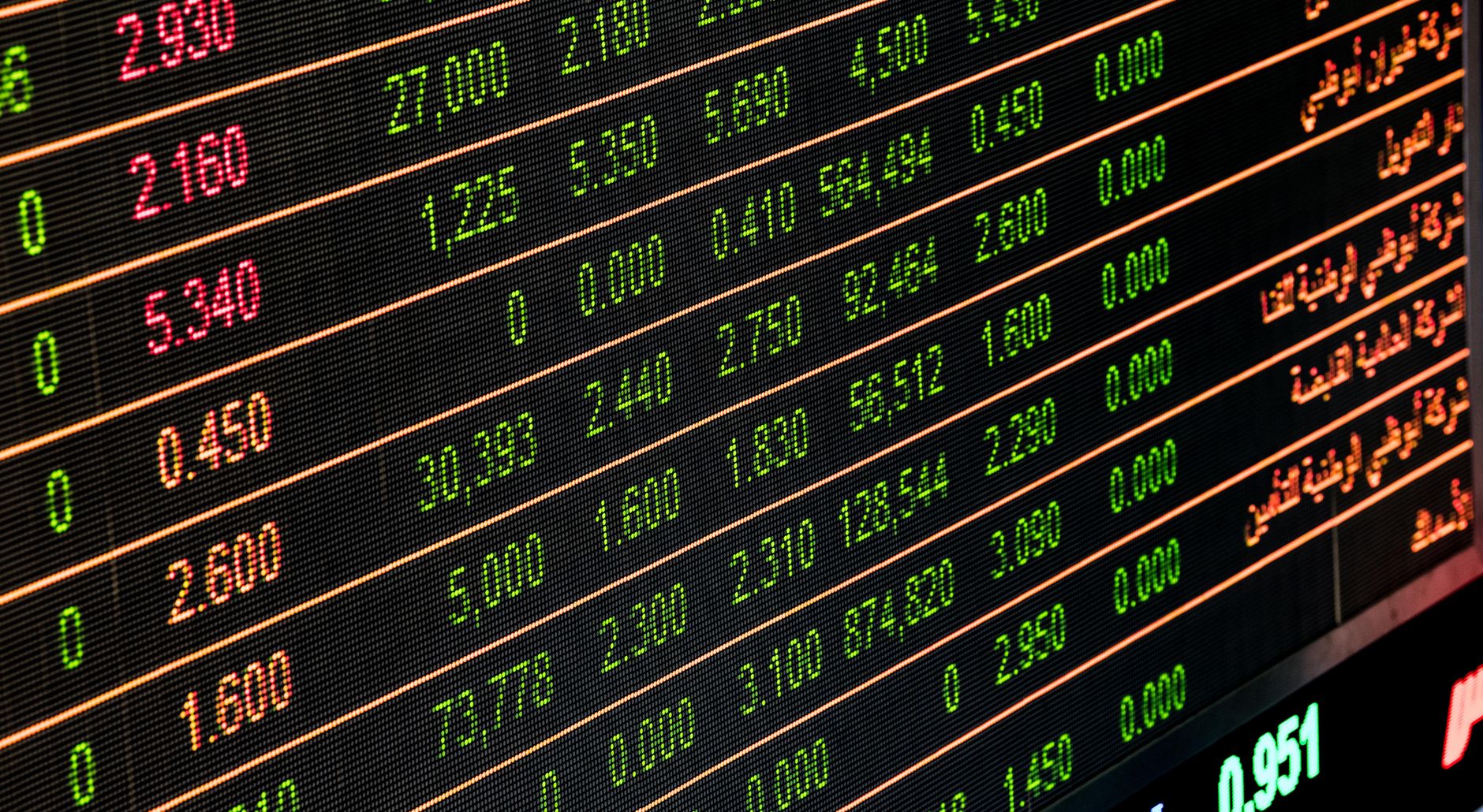
Asian markets faced a massive sell-off as the Kospi index plummeted 5.7%, led by a freefall in semiconductor giants Samsung and SK Hynix. This sudden tech rout is fueling intense speculation regarding an impending AI bubble burst, threatening the stability of the entire tech ecosystem.
Beyond the AI concerns, global markets are grappling with a trifecta of macroeconomic pressures: the threat of Trump's tariffs, heightened tensions in the Middle East, and shifting liquidity. This volatility serves as a critical signal for investors monitoring the intersection of geopolitics and high-growth technology stocks.
Asian stock markets experienced a sharp downturn, headlined by a 5.7% drop in the Kospi index. The technology sector bore the brunt of the selling pressure, with industry leaders Samsung and SK Hynix seeing their valuations collapse.
Market analysts suggest this downturn is driven by a convergence of fears: the potential bursting of the AI bubble, the uncertainty surrounding Trump's tariff policies, and escalating geopolitical tensions in the Middle East. The tech crash signals a period of high volatility that could impact global semiconductor supply chains and investor sentiment.
This is a summarized and adapted version by Artificial Intelligence. To read the complete original story, visit the official source.
Read Full Article at BlockTrendsSupport Jornal Bitcoin
Independent journalism, curated by AI, no clickbait. Keep the flame alive with any amount of BTC.
jonata@walletofsatoshi.comDaily Crypto Brief 📬
Subscribe to receive the curation of the most important Bitcoin and crypto news, summarized by AI. No spam.
Join more than 10,000 smart readers.
Related News

Samsung Wallet to Support Stablecoins: A Massive Leap for Mobile Payments
By enabling fast and trusted digital value transfers, Samsung aims to become one of the first major smartphone manufacturers to offer native stablecoin integration. This move signals a significant shift in how mobile users interact with digital value, bridging the gap between traditional banking and the decentralized economy.
Energy Shock: US Gas Prices Surge Past $4 Amid Iran Tensions and Trump Tariff Fears
Market intelligence suggests a massive spike is on the horizon, with crude oil projected to hit new all-time highs by September 30, potentially rising by 10.2%. This volatility poses a significant threat to global inflation rates and could reshape trade dynamics in the coming months.

Samsung Makes Massive Leap: Wallet Now Supports Native Stablecoins for Mainstream Crypto Adoption
Following the introduction of the Samsung Galaxy Card, this integration bridges the gap between traditional banking and digital assets. This strategic move is expected to accelerate mainstream crypto adoption by providing users with a seamless, secure, and highly accessible way to interact with stablecoins directly through their smartphones.
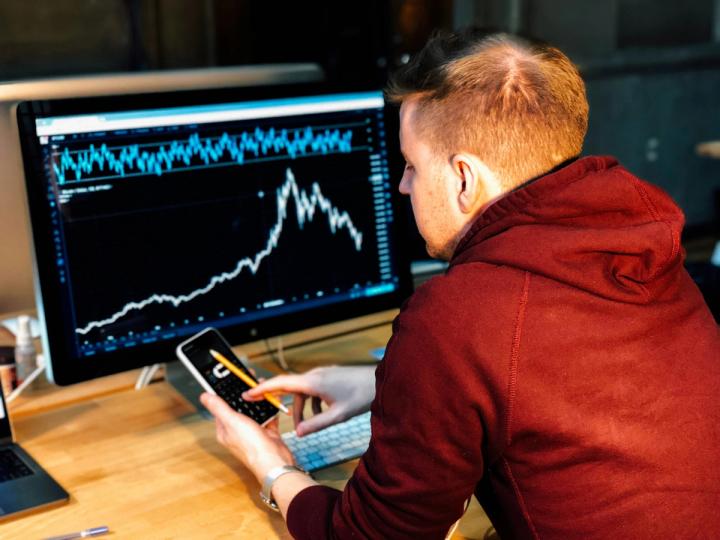
Bitcoin Holds Steady Near $65K as Massive $800 Billion AI Selloff Hits Tech Giants
The volatility was triggered by the 'Magnificent Seven' experiencing their worst trading day since April 2025, following spooked investor sentiment regarding Alphabet and Tesla's AI spending. While Bitcoin saw a negligible drop of less than 1%, altcoins like Dogecoin led the minor downward trend among major assets.
Brent Crude Hits $100: Trump Tariffs Trigger Trade Tensions and Record High Forecasts
Market sentiment is leaning heavily toward further upside, with a 20.5% probability priced in for a new all-time high by December. The combination of Trump's tariff policies and escalating trade friction is creating a high-stakes environment that could reshape liquidity flows across both traditional and crypto markets.

Livestock on the Ledger: Brazilian Farmers Turn Cows into Tokens to Solve Credit Crunch
This breakthrough in Real World Asset (RWA) tokenization provides a scalable model for bringing liquidity to the agricultural sector. By leveraging blockchain technology, farmers can now unlock value from their herds, paving the way for more resilient and decentralized credit markets in one of the world's most vital food-producing regions.
