Asian Market Shock: South Korea Interest Rate Hike Crushes Kospi by 6%
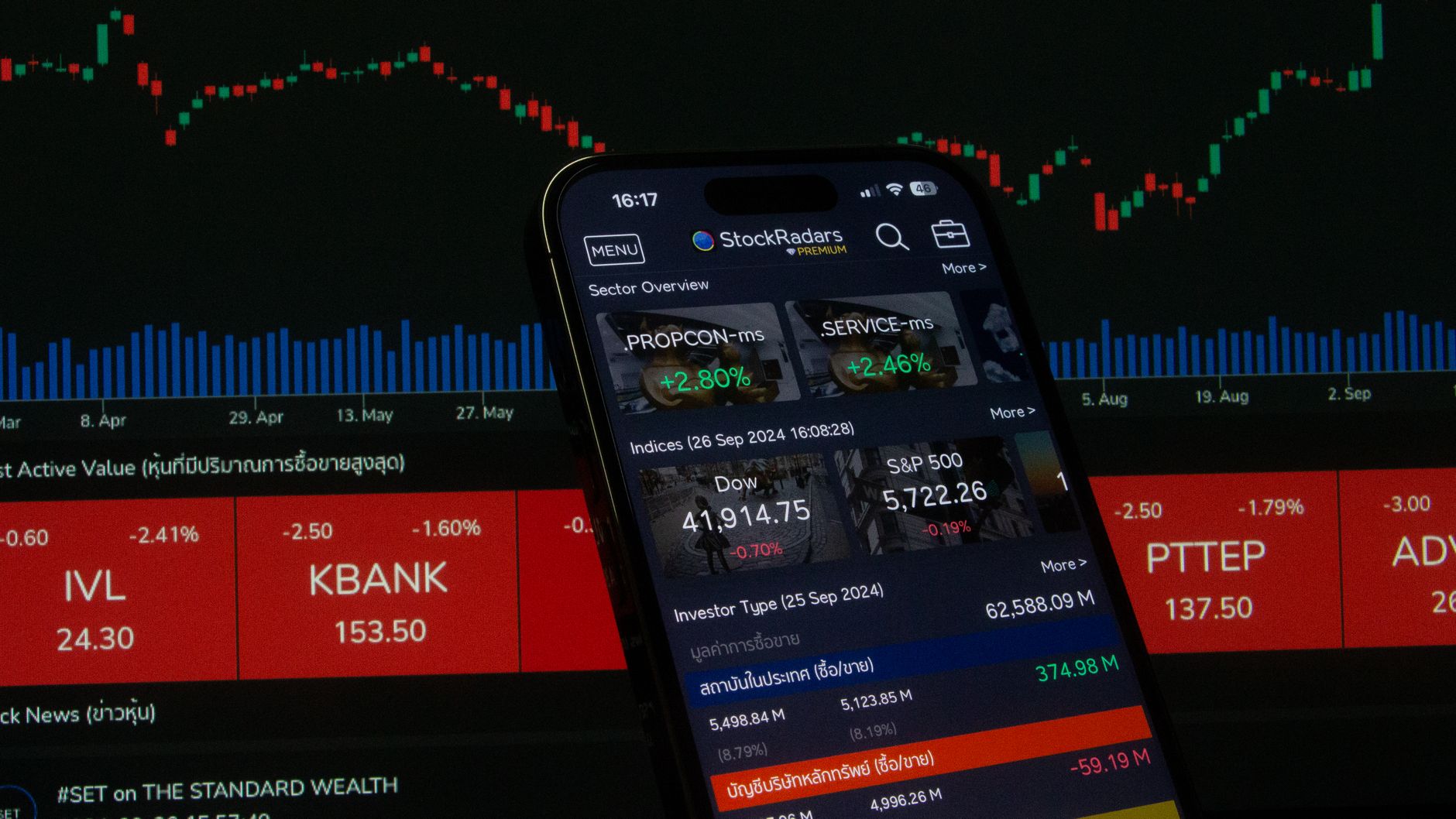
Asian markets are facing significant turbulence following South Korea's decision to hike interest rates, which sent the Kospi index tumbling by 6.37%. This aggressive monetary shift triggered an immediate sell-off in heavyweights like Samsung and SK Hynix, shaking investor confidence.
The fallout from Seoul has spread a wave of caution across Asian stock exchanges, signaling heightened volatility in the region. Market participants are closely watching the ripple effects on global liquidity and the broader impact on technology-driven indices.
South Korea's decision to raise interest rates has sent shockwaves through the financial markets, causing the Kospi index to plummet by 6.37%. The downturn heavily impacted the tech sector, dragging down industry leaders Samsung and SK Hynix.
The contagion effect has spread across Asian markets, instilling widespread caution among traders. As volatility rises, the focus shifts to how this monetary tightening in Seoul will influence regional capital flows and the stability of Asian equities in the short term.
This is a summarized and adapted version by Artificial Intelligence. To read the complete original story, visit the official source.
Read Full Article at BlockTrendsSupport Jornal Bitcoin
Independent journalism, curated by AI, no clickbait. Keep the flame alive with any amount of BTC.
jonata@walletofsatoshi.comDaily Crypto Brief 📬
Subscribe to receive the curation of the most important Bitcoin and crypto news, summarized by AI. No spam.
Join more than 10,000 smart readers.
Related News

AI Economy Unleashed: Celo Debuts x402 Facilitator for Autonomous Stablecoin Payments
By prioritizing low-cost, real-world payments, Celo is setting the standard for how autonomous entities interact with value. The integration of x402 ensures that AI agents can manage liquidity and settle transactions with the stability and speed required for high-frequency digital commerce.

Zano's Zenith Overhaul: Massive Speed Boost and Faster Confirmations Coming in 2027
Scheduled for a full network transition in 2027, the Zenith implementation is designed to enhance scalability while simultaneously lowering token issuance. This strategic move ensures that Zano remains a leader in the privacy-focused blockchain sector by combining rapid transaction finality with a more disciplined economic model.

The Invisible Revolution: How AI and Stablecoins Could Dominate Future Payments
This shift signals an expansion of stablecoins far beyond the traditional crypto market, integrating directly into global automation infrastructure. While credit cards remain dominant in conventional retail, the convergence of AI and crypto-assets promises to redefine the speed and scale of digital transactions in the real world.

Visa Disrupts Payments with New Stablecoin Platform for Financial Institutions
By leveraging USD-backed stablecoins, the VSP platform addresses the critical need for efficiency in cross-border transactions and real-time liquidity. This launch marks a significant milestone in institutional adoption, proving that major payment networks are ready to embrace blockchain technology to redefine the future of global value transfer.

Market Chaos: South Korea Halts New Single-Stock Leveraged ETF Listings
The crackdown highlights the critical tension between rapid financial product innovation and the necessity for market stability. By enforcing stricter oversight, South Korean authorities aim to mitigate the fallout from extreme volatility and prevent systemic damage caused by excessive leverage in the equity markets.

Bitcoin VC Veterans Launch $40M Holding Company to Acquire Small Businesses
This initiative represents a significant shift in the Bitcoin ecosystem, moving beyond speculative trading toward real-world economic integration. By applying the Bitcoin standard to established small businesses, the group is pioneering a model of corporate resilience that leverages digital scarcity to hedge against fiat currency debasement.
