Asia Shock: Kospi Plummets 4.4% as AI Sell-off Exposes Market Fragility

The Kospi index suffered a massive 4.4% plunge, marking the steepest decline among Asian markets this Monday. This crash was primarily driven by a heavy sell-off in semiconductor giants Samsung and SK Hynix, signaling a sudden shift in investor sentiment regarding high-growth tech stocks.
This market volatility provides a sobering look at the potential instability of the AI rally heading into 2025. As liquidity shifts, the heavy reliance on AI-driven hardware is being tested, forcing a critical re-evaluation of the valuation models that have fueled the recent tech boom.
The Kospi index saw the largest decline among Asian stock markets this Monday, dragged down by a significant sell-off in Samsung and SK Hynix. This 4.4% drop exposes the underlying fragilities of the AI rally that has defined recent market trends. Analysts suggest that the heavy concentration in semiconductor-related assets is creating a vulnerability as the market begins to price in a more cautious outlook for 2025.
This is a summarized and adapted version by Artificial Intelligence. To read the complete original story, visit the official source.
Read Full Article at BlockTrendsSupport Jornal Bitcoin
Independent journalism, curated by AI, no clickbait. Keep the flame alive with any amount of BTC.
jonata@walletofsatoshi.comDaily Crypto Brief 📬
Subscribe to receive the curation of the most important Bitcoin and crypto news, summarized by AI. No spam.
Join more than 10,000 smart readers.
Related News

Wall Street Divided: Is the Chip Stock Sell-Off a Massive Buying Opportunity?
This volatility in high-growth tech stocks carries significant weight for the broader financial markets, including the crypto space. As investors weigh the impact of AI-driven hardware demand against market exhaustion, the resulting shifts in risk appetite will likely dictate the liquidity flows moving into digital assets.

Micron Warns of Memory Chip Shortage Beyond 2027: Why DePIN Tokens Are Next
This shortage carries profound implications for the crypto landscape, specifically for DePIN (Decentralized Physical Infrastructure Networks) tokens. As traditional hardware becomes harder to source, decentralized protocols like Render and Filecoin are positioned to capture massive value by providing the distributed computing and storage power required to sustain the AI revolution.
China's Quant Hedge Fund Meltdown: AI Trade Exposure Triggers Massive Drawdowns
This volatility underscores the extreme risks associated with 'crowded trades' in the Artificial Intelligence sector. As quant funds struggle to manage these steep losses, the broader market is watching closely to see if this sector-specific crash will trigger a wider contagion across tech-heavy quantitative strategies.

Market Chaos: Oil Surge and AI Selloff Drag Bitcoin Below $64,000
As the chip sector faces a significant downturn, the resulting contagion is impacting the broader crypto market. This correlation highlights how Bitcoin remains sensitive to macro shifts, specifically the interplay between energy costs and the cooling sentiment in the artificial intelligence and semiconductor industries.
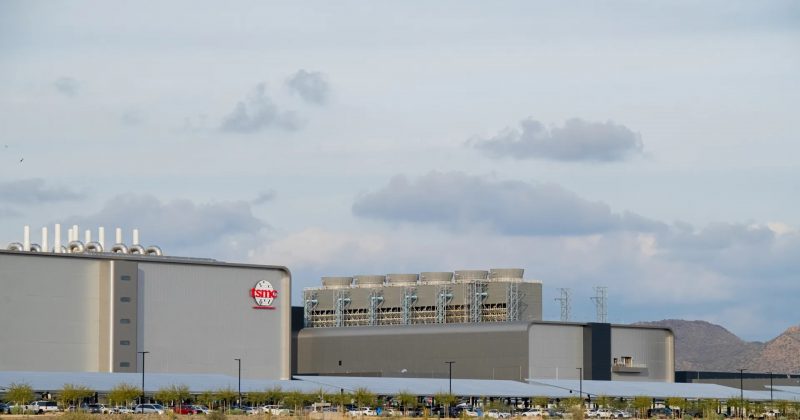
TSMC Goes All-In on AI: Massive $100B Arizona Expansion and Explosive Growth Forecasts
This strategic move solidifies high-performance hardware as the backbone of the digital landscape through 2030. For those tracking the intersection of tech and finance, this massive increase in AI chip manufacturing investment reinforces the long-term bullish thesis for the infrastructure powering the next decade of innovation.
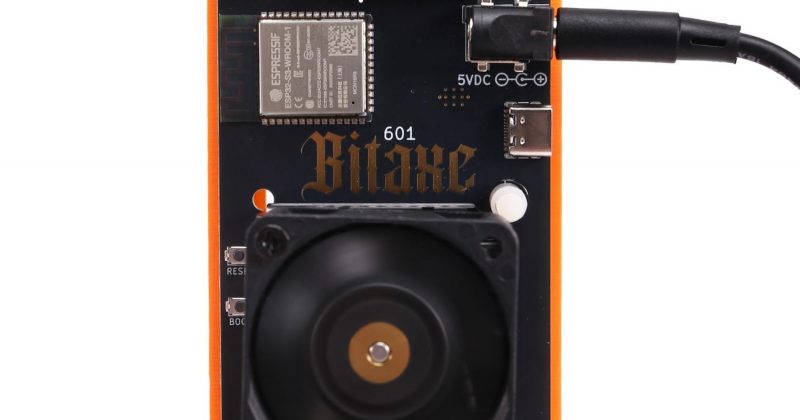
Supply Chain Crisis? New NDAA Export Control Bills Threaten Crypto Mining Chip Supply
The ripple effects of these bills could lead to skyrocketing operational costs and a significant shortage of specialized mining hardware. As semiconductor restrictions tighten, the crypto mining industry faces a period of intense volatility in equipment pricing and a potential restructuring of global mining infrastructure to adapt to new geopolitical constraints.
