Dollarization Breakthrough: Argentina Central Bank Approves USD Salary Accounts
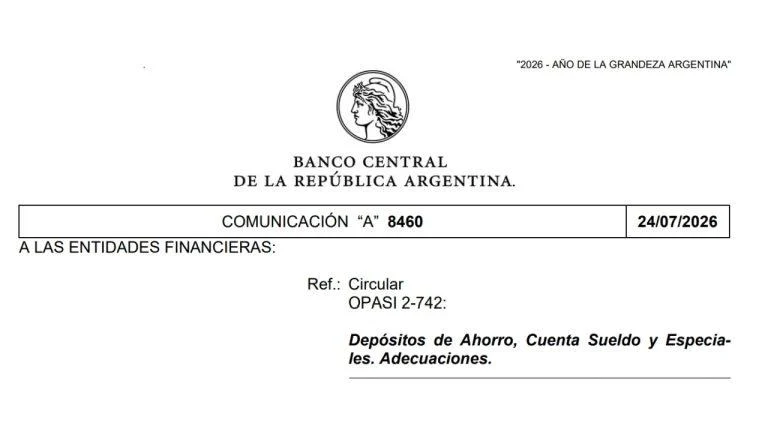
In a decisive move to combat hyperinflation and currency instability, Argentina's Central Bank has officially authorized the payment of salaries in US dollars. This regulatory shift allows workers to hold and receive wages in a stable currency, providing a vital hedge against the rapid devaluation of the local peso and offering a much-needed lifeline for economic stability.
While this policy is expected to be highly enticing for multinational companies and those earning in foreign currency, it faces a significant hurdle: the deep-seated historical distrust Argentines hold toward traditional banking institutions. This tension between official dollarization and banking skepticism could create a unique landscape for both traditional finance and the growing crypto ecosystem.
Argentina is moving toward a multi-currency-friendly economy. With the recent move, Argentines can now collect their wages in dollars, a proposal that will be significantly more enticing to companies that already receive payments in USD. Nonetheless, this new option clashes with the historical distrust that Argentines have in banking institutions. The Central Bank's authorization marks a pivotal moment in the country's struggle to stabilize its financial landscape.
This is a summarized and adapted version by Artificial Intelligence. To read the complete original story, visit the official source.
Read Full Article at Bitcoin.comSupport Jornal Bitcoin
Independent journalism, curated by AI, no clickbait. Keep the flame alive with any amount of BTC.
jonata@walletofsatoshi.comDaily Crypto Brief 📬
Subscribe to receive the curation of the most important Bitcoin and crypto news, summarized by AI. No spam.
Join more than 10,000 smart readers.
Related News

The Bilibili Gaming Effect: How LPL Success is Igniting Esports Prediction Markets
The rise of these prediction markets underscores a significant growth potential within the digital asset trading landscape. As the boundary between gaming and finance blurs, informed investors are increasingly looking toward esports as a legitimate frontier for high-stakes, data-driven opportunities.

Bottoming Out? Bitcoin Shows Resilience Despite TradFi Headwinds
This recovery attempt comes at a pivotal moment for market structure. Understanding these bottoming signs is crucial to determining whether Bitcoin can maintain its current support levels or if institutional pressure will continue to test the resilience of digital assets in the coming weeks.

World Cup Chaos: Spain Triumphs Over Argentina as Fan Tokens Face Brutal Sell-off
This market movement emphasizes the critical importance of strategic timing and rapid execution within the crypto investment landscape. For traders navigating fan tokens, the sudden price swings highlight the high-stakes nature of betting on sports-based utility, where even a single goal can drastically alter the liquidity and value of your digital portfolio.

$7 Billion Migration to Chainlink Triggered by $650 Million Wave of Bridge Hacks
This influx highlights a critical shift in the digital asset economy, driven by both crypto-native projects and traditional finance firms moving into tokenized markets. As institutional adoption accelerates, Chainlink is cementing its role as the essential middleware connecting decentralized finance with mainstream financial institutions.
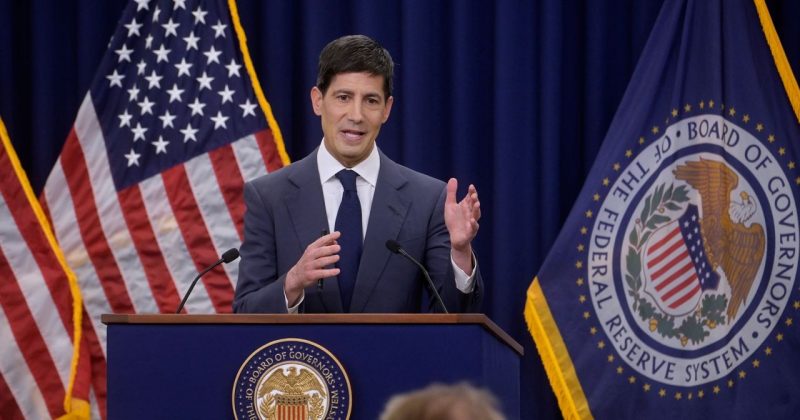
Red Alert: Fed Chair Warsh Warns of Stubborn Inflation Amid Shifting July Rate Hike Odds
As the odds for a July rate hike fluctuate wildly, investors are bracing for impact. Current market data places the probability of a rate hike at just 16%, creating a high-stakes environment of volatility as the financial world awaits the Fed's next decisive move.
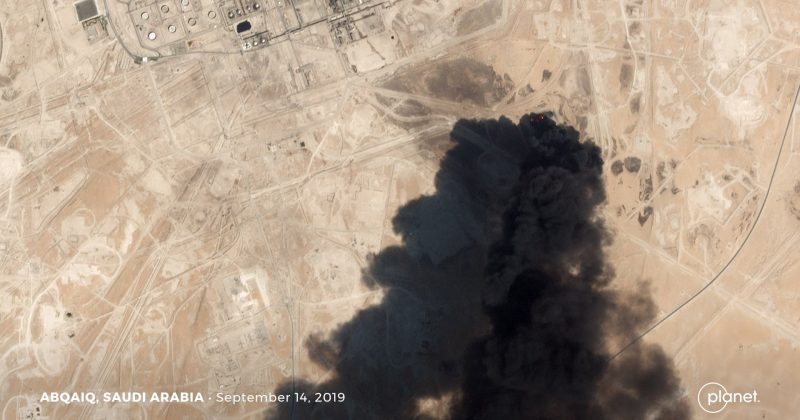
Oil Shock: Saudi Airstrikes on Houthis Send Brent Crude Surging Past $100
The sudden spike in oil prices poses a significant threat to global energy security and could fuel broader economic instability. As the conflict intensifies, market analysts are closely watching the ripple effects on global inflation and the potential volatility across both commodity and crypto markets.
