The Wikipedia Blackout: Why AI Engines Like ChatGPT Might Be Losing the Crypto Plot

Wikipedia is adhering to outdated crypto coverage guidelines that could trigger a massive information blackout for modern technology. This gap in data directly threatens how AI engines, such as ChatGPT, process and interpret the rapidly evolving world of cryptocurrency.
As AI models rely heavily on massive datasets for training, outdated or restricted information on Wikipedia creates a bottleneck for machine learning accuracy. The consequence is a potential intelligence deficit where AI fails to grasp the nuances of the crypto market, leading to misinformation and flawed analysis.
Wikipedia observes guidelines on crypto coverage that date back many years and may now be outdated, according to a recent report. This potential blackout could hurt how AI engines like ChatGPT understand the crypto landscape, potentially leading to inaccurate interpretations of the digital asset market.
This is a summarized and adapted version by Artificial Intelligence. To read the complete original story, visit the official source.
Read Full Article at CoinDeskSupport Jornal Bitcoin
Independent journalism, curated by AI, no clickbait. Keep the flame alive with any amount of BTC.
jonata@walletofsatoshi.comDaily Crypto Brief 📬
Subscribe to receive the curation of the most important Bitcoin and crypto news, summarized by AI. No spam.
Join more than 10,000 smart readers.
Related News

Middle East Crisis: US Airstrikes on Iran Trigger Global Market Turmoil
Beyond immediate military action, the fallout threatens to destabilize global oil markets and significantly alter cryptocurrency market dynamics. As energy prices fluctuate due to the unrest, the ripple effects are expected to reshape investor sentiment across both traditional and digital asset classes.

US Treasury Blacklists Tron and Litecoin Addresses Linked to Cuba
This move underscores the increasing scrutiny of decentralized networks by US authorities to prevent the circumvention of international sanctions. As regulators tighten their grip, the ability to move funds through major blockchain networks like Tron and Litecoin is facing unprecedented compliance hurdles.
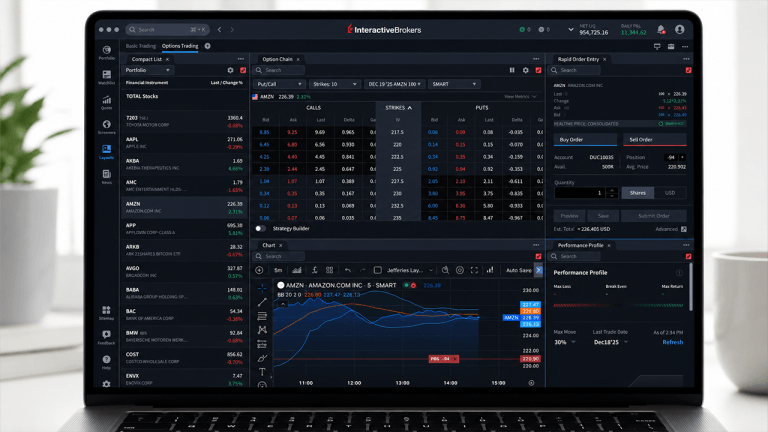
Interactive Brokers Disrupts Crypto Trading: New Tokens and Stablecoin Funding to Slash Costs
By leveraging stablecoin rails, the brokerage aims to significantly lower trading costs and streamline liquidity management for global investors. This expansion represents a major step toward the seamless integration of digital assets into mainstream institutional trading workflows, reducing friction for high-volume participants.

Is AI Overpriced? Chamath Palihapitiya Slams OpenAI’s $26 ‘Barrel of Intelligence'
The implications are profound for the broader tech ecosystem. If AI providers cannot bridge the gap between high operational costs and actual utility, the industry faces a valuation crisis that could derail future IPO prospects and reshape the competitive landscape of the AI market.
Institutional Power Move: Anchorage Digital Adds Native TRX Staking and TRC-20 Support
By integrating these capabilities, Anchorage Digital is facilitating deeper liquidity and participation in the TRON ecosystem through a regulated framework. This expansion is a significant milestone for TRC-20 assets, as it allows large-scale institutions to capture staking rewards and manage digital assets with the highest standards of security and compliance.
Beyond Trading: Binance’s Bold Pivot Toward a Crypto 'Super App' Era
This pivot aims to transform the platform into a comprehensive 'super app' for the crypto economy. As stablecoins continue to reshape market growth, Binance is positioning itself to capture more than just traders, targeting the broader utility of digital assets in everyday financial life.
