BTC at Risk: Lawsuit Targets 3.8M Dormant Bitcoins Using 'Lost-and-Found' Rules
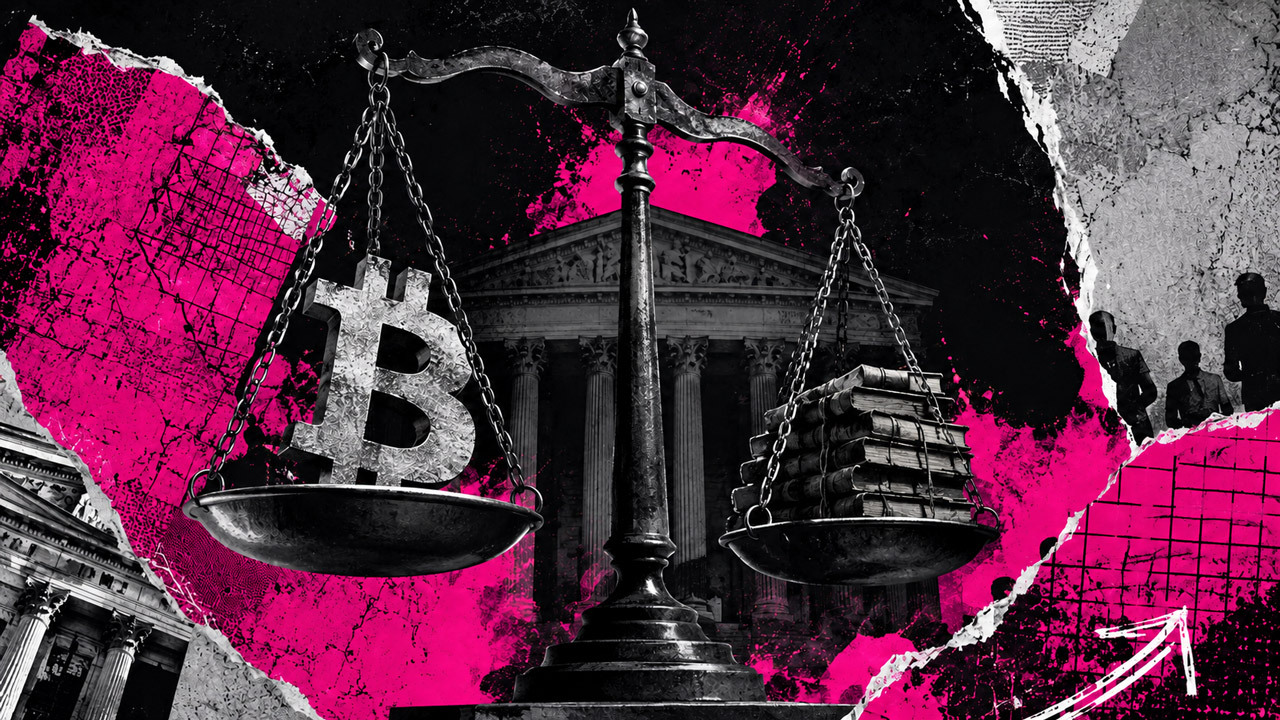
A legal battle is brewing over 3.8 million BTC that have remained inactive for years, as a lawsuit attempts to seize these assets using police 'lost-and-found' doctrines. The claim argues that dormant Bitcoin wallets constitute abandoned property, posing a direct threat to the fundamental principle of self-custody.
To neutralize this threat, Congress is racing to pass the CLARITY Act. The proposed legislation includes critical language stating that self-custodied digital assets cannot be declared abandoned, unclaimed, or forfeited simply due to inactivity, effectively preventing adverse possession claims and overriding restrictive state and local laws.
A controversial lawsuit is making waves in the crypto industry, claiming ownership of approximately 3.8 million BTC by categorizing them as abandoned assets. The legal strategy relies on police 'lost-and-found' rules, suggesting that long-term inactivity in a wallet allows for the forfeiture of the underlying Bitcoin.
This is a summarized and adapted version by Artificial Intelligence. To read the complete original story, visit the official source.
Read Full Article at CryptoSlateSupport Jornal Bitcoin
Independent journalism, curated by AI, no clickbait. Keep the flame alive with any amount of BTC.
jonata@walletofsatoshi.comDaily Crypto Brief 📬
Subscribe to receive the curation of the most important Bitcoin and crypto news, summarized by AI. No spam.
Join more than 10,000 smart readers.
Related News

Geopolitical Tightrope: US and Iran Sustain Indirect Talks via Mediators to Prevent Escalation
By leveraging diplomatic mediation, both nations aim to establish a framework for stability amidst intense scrutiny. For the broader financial ecosystem, including the crypto market, these diplomatic efforts are essential indicators of risk management and potential shifts in global liquidity and investor sentiment.

The Great Lock-up: Why Ethereum Unstaking Has Suddenly Vanished
This sudden reluctance to exit staking positions suggests that market participants are bracing for significant growth. As more ETH is locked into the staking of Ethereum, the resulting reduction in liquid supply could trigger a supply shock, fundamentally altering the price action for Ethereum in the coming months.
Crypto Countdown: CLARITY Act Becomes High-Stakes Battleground Ahead of 2026 Midterms
As the Senate timeline narrows, lawmakers face intense pressure to act before the election cycle complicates the legislative process. The outcome of this battle will likely dictate the regulatory landscape for digital assets and influence how crypto-friendly policies are prioritized in the upcoming election cycle.

Brazil moves massive crypto volume: top 10 most traded coins revealed (USDT leads)
The ranking highlights how traders in Brazil prioritize liquidity and exchange efficiency through stablecoins, with USDT consistently driving the biggest share of trading interest. In effect, this pattern strengthens stablecoins’ role in daily market access, trading volume concentration, and price-setting across the local crypto ecosystem.

Wall Street Titans Unite: BlackRock, Goldman Sachs, and Fidelity Back Clarity Act with $30 Trillion
This massive endorsement of the Clarity Act is expected to accelerate regulatory clarity, serving as a catalyst for massive institutional crypto adoption. By bridging the gap between traditional finance and decentralized technology, these firms are setting the stage for a new era of mainstream legitimacy and capital inflow into the crypto market.

Two-Week Countdown: The High-Stakes Race for Crypto Regulatory Clarity in the US Senate
Failure to act within this narrow timeframe could leave the crypto market in a state of legal ambiguity for months to come. The outcome of these final legislative pushes will dictate the pace of institutional adoption and the overall trajectory of blockchain innovation in the United States.
