US-Iran Tension Eases, Oil Prices Plunge: Is the Geopolitical Risk Over?
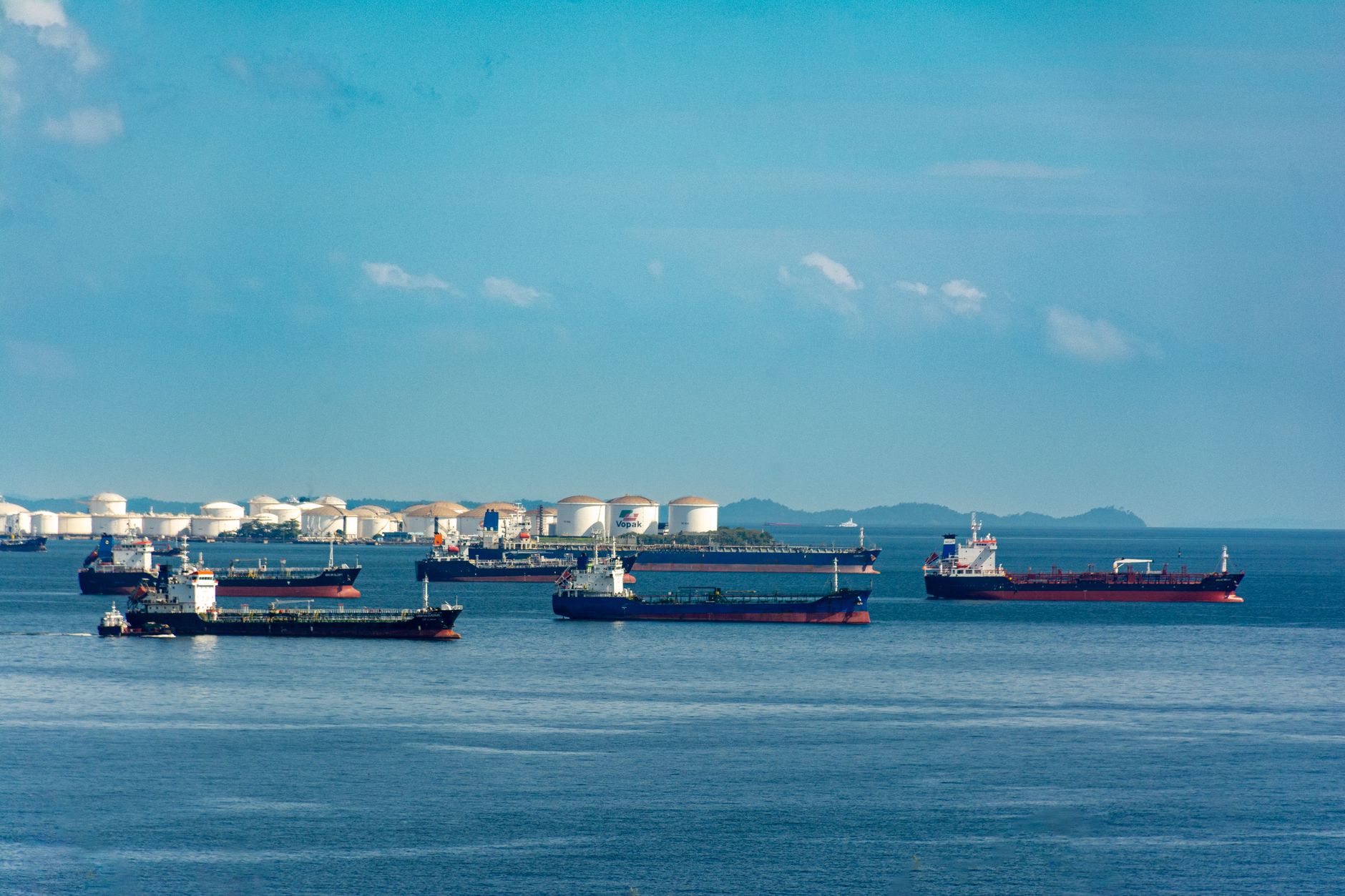
Diplomatic mediation in the US-Iran conflict has provided an immediate reprieve for global markets, triggering a sharp decline in oil prices. This relief in commodity assets signals a temporary reduction in the fear of direct military escalation, shifting the immediate risk sentiment among investors.
However, the landscape remains volatile due to the persistent geopolitical risk surrounding the Strait of Hormuz. The potential for supply chain disruptions keeps inflationary pressure on the radar, demanding caution from those trading futures and commodities in the near term.
Mediation in the conflict between the US and Iran has driven down oil prices and boosted futures, but the risk surrounding the Strait of Hormuz keeps inflationary pressure in play. While diplomatic relief has brought momentary optimism, instability in this strategic region remains a decisive factor for energy market volatility and global inflation.
This is a summarized and adapted version by Artificial Intelligence. To read the complete original story, visit the official source.
Read Full Article at BlockTrendsSupport Jornal Bitcoin
Independent journalism, curated by AI, no clickbait. Keep the flame alive with any amount of BTC.
jonata@walletofsatoshi.comDaily Crypto Brief 📬
Subscribe to receive the curation of the most important Bitcoin and crypto news, summarized by AI. No spam.
Join more than 10,000 smart readers.
Related News
South African Rand Surges as Dropping Oil Prices Fuel US-Iran Mediation Hopes
As diplomatic hopes influence global trade dynamics, the downward pressure on oil prices is reshaping investor sentiment toward risk assets. The market is closely watching whether this mediation can stabilize energy costs, potentially providing a long-term tailwind for the Rand and broader global economic stability.
Energy Crisis Alert: US Strategic Oil Reserves Plunge to 43-Year Low
Market forecasts suggest a looming surge in crude oil prices, with projections indicating a 6.7% rise by September 30 and a staggering 14% increase by December 31. Such volatility is expected to drive crude oil toward new all-time highs, potentially triggering broader economic shifts.

Polymarket Odds Signal 4% China-Taiwan Invasion Risk Following Joint Sino-Russian Drills
This escalation underscores the intensifying geopolitical friction and the strategic alignment between China and Russia. As these prediction markets provide real-time sentiment on global stability, the increased risk profile serves as a critical signal for macro analysts monitoring how regional conflicts might trigger broader market volatility and shifts in global liquidity.
Oil dips as US-Iran mediation reports surface—crude set for a new all-time high by Sept 30
Despite the dip, attention is shifting to upside momentum: crude is flagged for a new all-time high by September 30, with a potential 6.7% gain. The takeaway: macro and geopolitics are still driving commodity pricing, shaping expectations across markets and influencing broader risk sentiment.
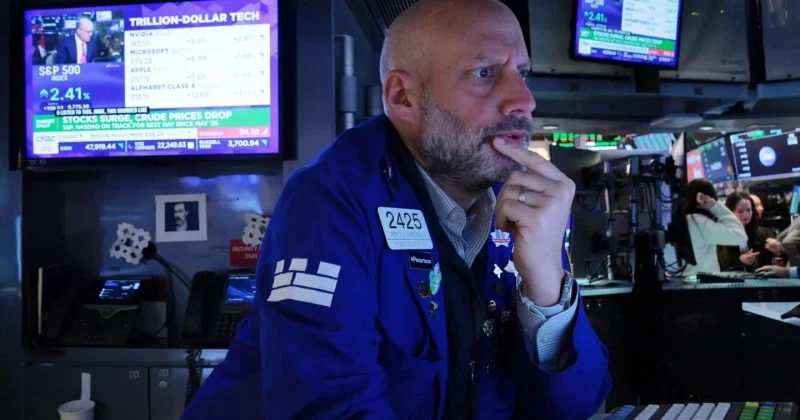
Goldman Sachs Warning: Brent Oil Could Surge Past $120 Amid Hormuz Tension
Looking further ahead, projections indicate that WTI could also hit the $120 mark by July 2026. Such a surge in oil prices would likely fuel global inflationary pressures, potentially tightening liquidity across financial markets and influencing the broader trajectory of risk assets, including the cryptocurrency sector.
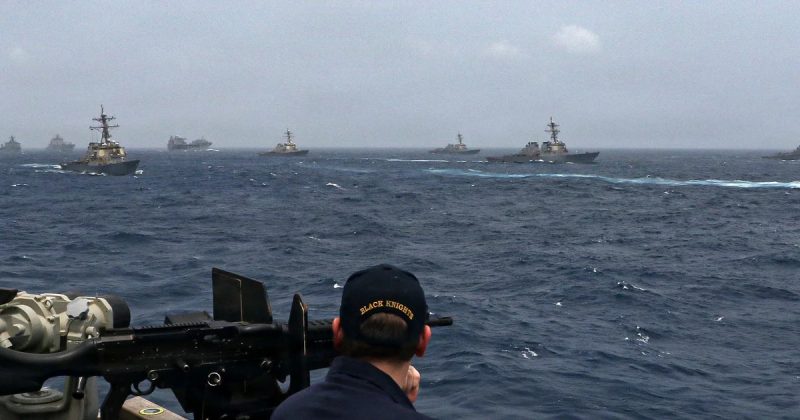
Strait of Hormuz Attack: Tanker Targeted Amid Escalating US-Iran Military Tensions
While maritime traffic was reported to have returned to normal levels by August 31, the underlying threat of a direct confrontation between the US and Iran continues to loom large. Investors and analysts are closely monitoring the situation, as any further disruption in the Strait of Hormuz could trigger massive shifts in global energy prices and economic stability.
