Geopolitical De-escalation: Iran Refrains from Attacks, Easing US Tensions
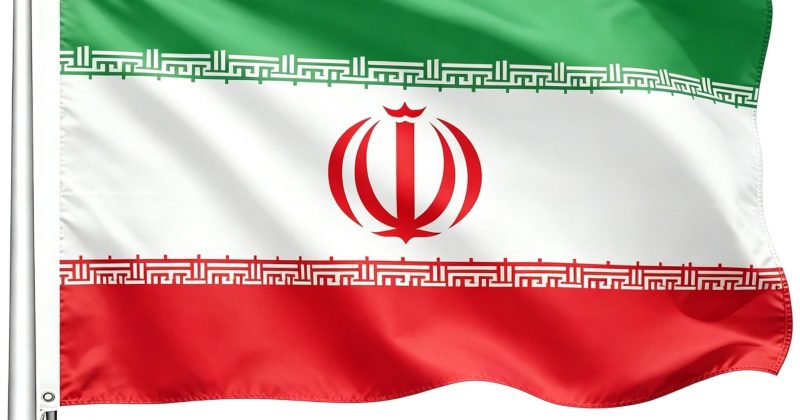
Global geopolitical tensions are seeing a significant cooldown as Iran refrains from launching attacks against US allies, providing a much-needed reprieve for international markets. This strategic restraint is a key driver in reducing the immediate threat of large-scale military escalation in the Middle East.
The easing of Iran-US tensions is expected to pave the way for intensified diplomatic efforts and significantly lower the likelihood of European military involvement. As uncertainty subsides, the reduction in geopolitical risk could lead to improved sentiment across both traditional and crypto asset classes.
Tensions between Iran and the United States appear to be easing following Iran's decision to refrain from attacking US allies. This shift in the geopolitical landscape is being closely monitored by analysts as a potential turning point for regional stability.
This de-escalation may lead to increased diplomatic efforts and reduce the likelihood of European military involvement in the region. The market remains watchful to see if this cooling of tensions will translate into long-term stability or remains a temporary lull in hostilities.
This is a summarized and adapted version by Artificial Intelligence. To read the complete original story, visit the official source.
Read Full Article at Crypto BriefingSupport Jornal Bitcoin
Independent journalism, curated by AI, no clickbait. Keep the flame alive with any amount of BTC.
jonata@walletofsatoshi.comDaily Crypto Brief 📬
Subscribe to receive the curation of the most important Bitcoin and crypto news, summarized by AI. No spam.
Join more than 10,000 smart readers.
Related News
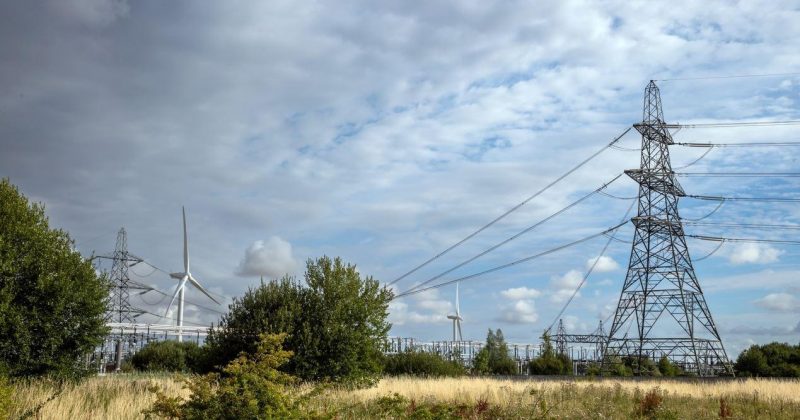
US Power Grids Under Siege: Heat Waves and AI Data Center Surge Create Energy Crisis
The surging electricity demand driven by artificial intelligence highlights a critical need for flexible energy policies and rapid infrastructure adaptation. As data centers continue to expand, the strain on the power grid underscores the growing tension between technological advancement and energy availability.
Middle East Escalation: Iran Orders Urgent Infrastructure Rebuild Following US Attacks
Beyond the immediate physical damage, these reconstruction efforts signal a broader risk to global economic stability. The ongoing conflict threatens to delay Iran's economic recovery and could trigger significant disruptions to global trade routes, creating ripple effects across international markets.
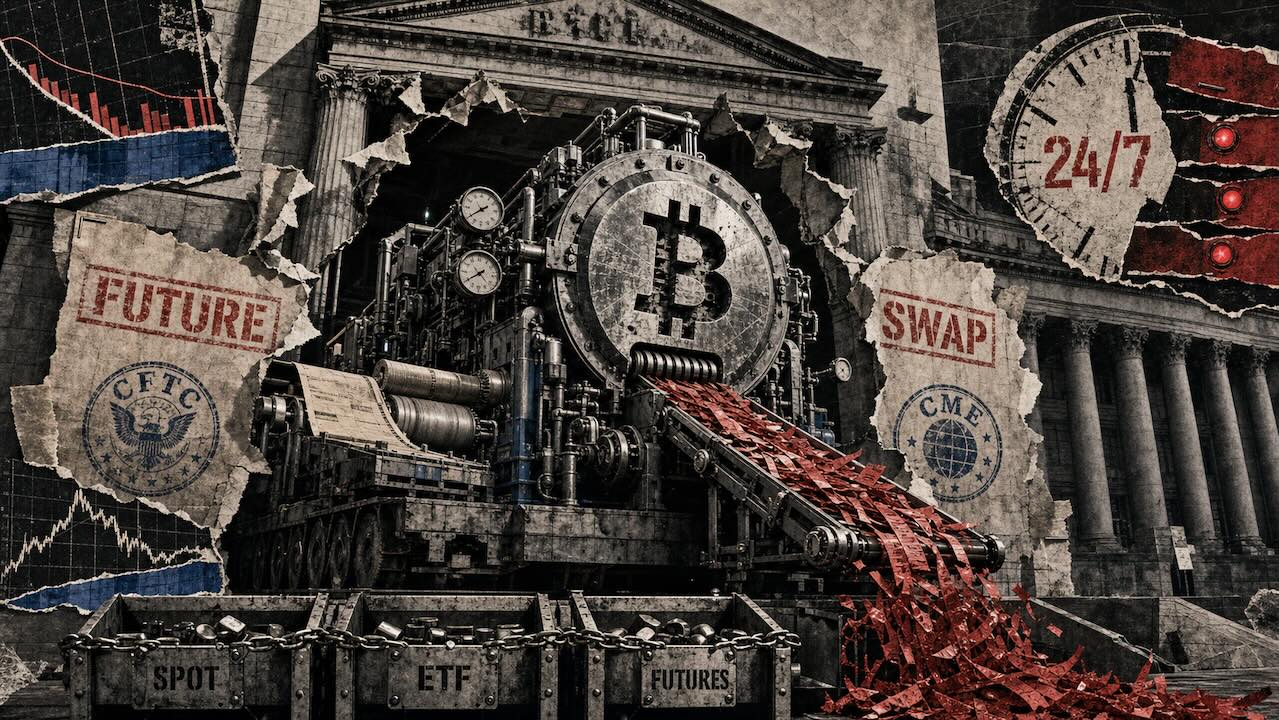
The Multi-Trillion-Dollar Engine Behind 90% of Crypto Trading Hits the US—and CME is Fighting Back
This massive shift has triggered an immediate legal offensive from the CME Group, which is seeking to crush this new competition. As the battle unfolds, the outcome will dictate whether these high-leverage crypto derivatives will democratize access to professional-grade trading tools or remain locked behind the walls of traditional institutional exchanges.
Documentary Reveals Netanyahu Curbs Lindsey Graham’s Push to Escalate Iran Conflict
This decision carries significant weight for global market perceptions regarding conflict resolution and systemic risk. While Netanyahu's restraint may prevent immediate escalation, the dimming prospects for peace ensure that market volatility remains a key factor for investors monitoring Middle East stability.

Ethereum at a Crossroads: ETH Hits Critical Resistance Level in Major Price Test
Technical indicators from the daily chart show ETH holding firmly above the previously broken descending trendline, signaling a potential shift in market structure. The outcome of these upcoming sessions will be vital for traders to determine if Ethereum can break through these barriers and continue its upward trajectory in the crypto market.
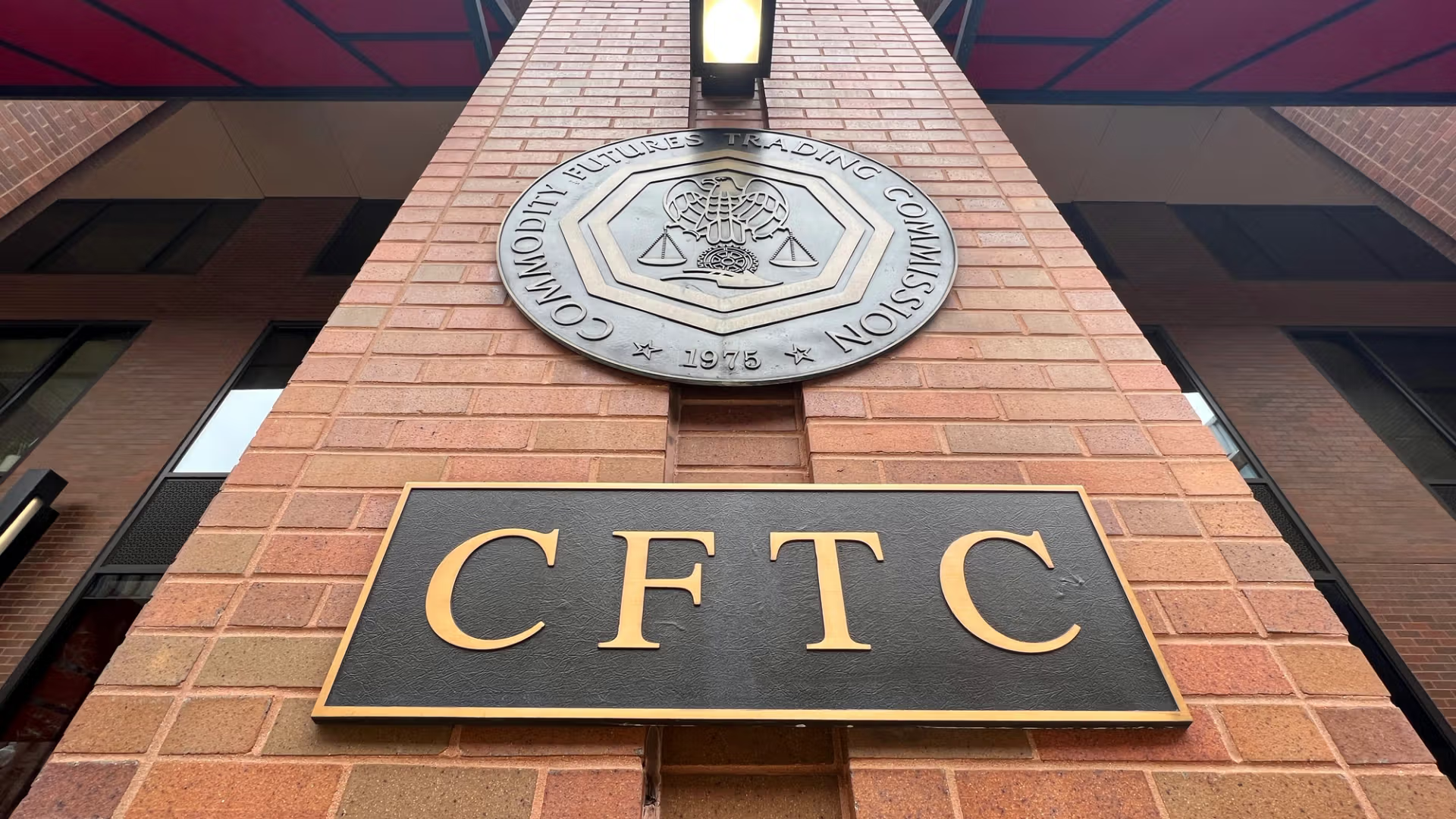
CFTC Crackdown: U.S. Regulator Warns Prediction Markets Against 'Cookie-Cutter' Compliance
As the landscape for prediction markets evolves, the CFTC's stance signals a tightening grip on how these platforms structure their offerings. By challenging standardized self-certification, the regulator is forcing firms to implement more robust compliance frameworks to ensure that event contracts are legally sound and transparent for all participants.
