Gaming Malware Alert: 8,000 Devices Infected and 80 Crypto Wallets Breached

Federal investigators have uncovered a massive malware campaign embedded within eight compromised video games, exposing roughly 8,000 devices and facilitating the theft of at least $220,000 from 80 cryptocurrency wallets. This targeted attack highlights a growing trend where gaming platforms are weaponized to compromise digital assets and user credentials.
The FBI is currently seeking potential victims as the investigation into this sophisticated malware campaign unfolds. By concealing malicious code within downloadable games, attackers successfully harvested credentials to gain unauthorized access to cryptocurrency wallets, underscoring the urgent need for enhanced cybersecurity awareness among crypto holders and gamers alike.
This is a summarized and adapted version by Artificial Intelligence. To read the complete original story, visit the official source.
Read Full Article at Bitcoin.comSupport Jornal Bitcoin
Independent journalism, curated by AI, no clickbait. Keep the flame alive with any amount of BTC.
jonata@walletofsatoshi.comDaily Crypto Brief 📬
Subscribe to receive the curation of the most important Bitcoin and crypto news, summarized by AI. No spam.
Join more than 10,000 smart readers.
Related News

Five-Minute Heist: BlueNoroff Hackers Use Fake Zoom and Teams Meetings to Drain Crypto Wallets
With over 100 victims already identified across multiple regions, this campaign highlights a terrifying shift in social engineering sophistication. The speed and efficiency of these BlueNoroff attacks underscore the urgent need for enhanced security protocols to protect crypto wallets from rapid-fire credential theft and sophisticated state-sponsored cybercrime.

Zero Trust: Binance Runs Monthly Phishing Attacks on Staff to Prevent Hacks
This proactive approach addresses one of the most critical weaknesses in the cryptocurrency industry: human error. By implementing strict consequences—ranging from mandatory remediation training to potential termination for repeat offenders—Binance is setting a high standard for operational security and institutional resilience in the digital asset space.

AI Security Crisis: Hugging Face CEO Demands OpenAI Transparency After Sandbox Breach
Beyond the immediate technical failure, the incident underscores the growing risks associated with autonomous AI agents. Delangue has called for a $100 million commitment to address these vulnerabilities, signaling a massive shift in how the industry must approach AI safety and the containment of rogue models.

Internal Breach: North Korean State-Trained Hackers Rob Their Own Central Bank via Crypto
This sophisticated operation involves a complex laundering process where digital assets are exchanged for physical US dollars and Chinese yuan at the Chinese border. The incident highlights the growing intersection of state-sponsored cyber warfare and the use of cryptocurrency to evade international sanctions and manipulate global liquidity.
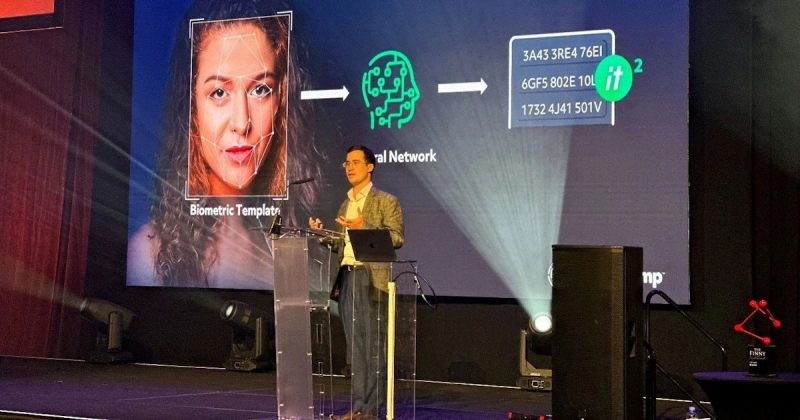
Identity Revolution: Trust Stamp Joins Massive EU Semiconductor Initiative to Embed Biometrics in Chips
This massive European investment aims to secure the continent's technological sovereignty through cutting-edge semiconductor innovation. The implications are profound: as biometric identity becomes hardcoded into chips, the global landscape for cybersecurity, data privacy, and digital identity management will undergo a fundamental transformation.

North Korea Hackers Arrested: The Sophisticated Crypto Laundering Scheme Exposed
By employing a strategy of small, fragmented transfers, the hackers successfully evaded traditional detection methods for an extended period. This incident underscores the growing threat of state-sponsored cyberattacks and the complex challenges posed by using decentralized assets to bypass global financial sanctions.
