The AI Gap: Why Universities are Failing to Prepare Students for the Automated Workforce

A critical study from the University of Manchester warns that higher education is lagging dangerously behind the rapid integration of artificial intelligence in the professional world. While academic institutions remain fixated on preventing AI-driven cheating, the global workforce is already undergoing a massive transformation driven by automation and machine learning.
Experts argue that the educational paradigm must shift from policing AI usage to fostering AI literacy. To prevent a massive skills gap, universities must evolve their curricula to ensure graduates are equipped to work alongside automated systems, turning AI from a perceived threat into a fundamental professional tool.
A researcher from the University of Manchester warns that schools must move beyond the narrow concerns of AI cheating and start preparing graduates for workplaces increasingly shaped by automation. The study highlights a growing disconnect: while academia struggles with academic integrity in the age of generative AI, the real-world economy is rapidly adopting these tools, leaving students unprepared for the automated reality of the modern career landscape.
This is a summarized and adapted version by Artificial Intelligence. To read the complete original story, visit the official source.
Read Full Article at DecryptSupport Jornal Bitcoin
Independent journalism, curated by AI, no clickbait. Keep the flame alive with any amount of BTC.
jonata@walletofsatoshi.comDaily Crypto Brief 📬
Subscribe to receive the curation of the most important Bitcoin and crypto news, summarized by AI. No spam.
Join more than 10,000 smart readers.
Related News

Science Fiction or Reality? Why Hollywood is Bringing Back the Terminator to Combat the AI Surge
As AI capabilities evolve at an unprecedented pace, the cultural zeitgeist is turning back to iconic sci-fi tropes to process the existential implications of automation. This shift reflects a growing societal anxiety that the 'Terminator' scenario is no longer a distant fantasy, but a looming technological milestone.
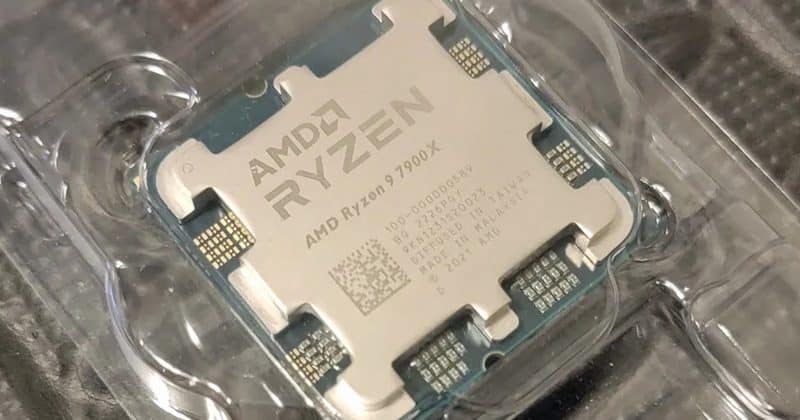
AMD Stock Plummets: Is the Semiconductor Selloff Killing the AI Hype?
This downturn underscores a growing demand for realistic valuations, moving away from the unsustainable AI hype that has dominated recent market cycles. As the semiconductor sector undergoes this correction, investors are recalibrating their strategies to account for more grounded growth projections in the artificial intelligence space.

Regulatory Masterstroke? OpenAI Proposes 5% Stake to US Government Amid IPO Delays
The implications of this proposal extend far beyond OpenAI's balance sheet, potentially setting a global precedent for how AI industry-government collaborations function. As the company navigates the complexities of going public, this move could fundamentally alter the landscape of AI governance and institutional oversight.

Privacy Backlash: Anthropic Pulls Hidden Claude Code Tracker Following Researcher Outcry
This development highlights the growing friction between AI developers seeking to protect their intellectual property and the urgent need for transparency. As privacy concerns continue to dominate the tech landscape, Anthropic's decision serves as a cautionary tale regarding the risks of implementing unannounced surveillance features in generative AI ecosystems.

Fed Minutes Watch: Polymarket Odds for ETH $1,700 Surge to 44.5%
This convergence of macroeconomic uncertainty and aggressive prediction market sentiment highlights a high-stakes environment for crypto assets. The upcoming Fed data could serve as the ultimate catalyst, either validating the recent Bitcoin rebound or triggering a period of renewed volatility across the Ethereum ecosystem.

Microsoft Breaks Up with OpenAI? Tech Giant Pivots to In-House AI Models to Slash Costs
This move highlights a growing trend of austerity within the AI sector, where efficiency is becoming as critical as innovation. By deploying internal models, Microsoft is positioning itself to lower operational expenses while securing greater sovereignty over its software ecosystem.
