Injective SDK Compromise: Why Wallet Private Keys Are Back in the Security Spotlight

A critical compromise involving the Injective SDK has reignited the urgent debate surrounding blockchain infrastructure security. This event serves as a vital reminder that the integrity of private keys and the robustness of software development are just as crucial to the ecosystem as token price volatility.
The vulnerability exposes the inherent weaknesses in decentralized protocol development, where a single code flaw can jeopardize asset custody. For investors and developers alike, the focus must shift from pure speculation toward a rigorous analysis of infrastructure security and regulatory frameworks to mitigate future systemic risks.
The Injective SDK compromise puts wallet private keys back in the security spotlight, serving as a useful reminder that crypto coverage is not only about token prices. Sometimes, the more important story lies within the infrastructure and the regulatory landscape. Ensuring the security of the underlying code is paramount to maintaining trust in the decentralized financial ecosystem.
This is a summarized and adapted version by Artificial Intelligence. To read the complete original story, visit the official source.
Read Full Article at NewsBTCSupport Jornal Bitcoin
Independent journalism, curated by AI, no clickbait. Keep the flame alive with any amount of BTC.
jonata@walletofsatoshi.comDaily Crypto Brief 📬
Subscribe to receive the curation of the most important Bitcoin and crypto news, summarized by AI. No spam.
Join more than 10,000 smart readers.
Related News

Binance Empire: Giant Celebrates 9 Years with 323 Million Users and Expansion Beyond Crypto
As the company looks toward the future, it is pivoting its strategy to expand far beyond traditional cryptocurrency trading. Representing roughly 43% of the world's estimated 741 million crypto owners, Binance is positioning itself as a diversified financial powerhouse.
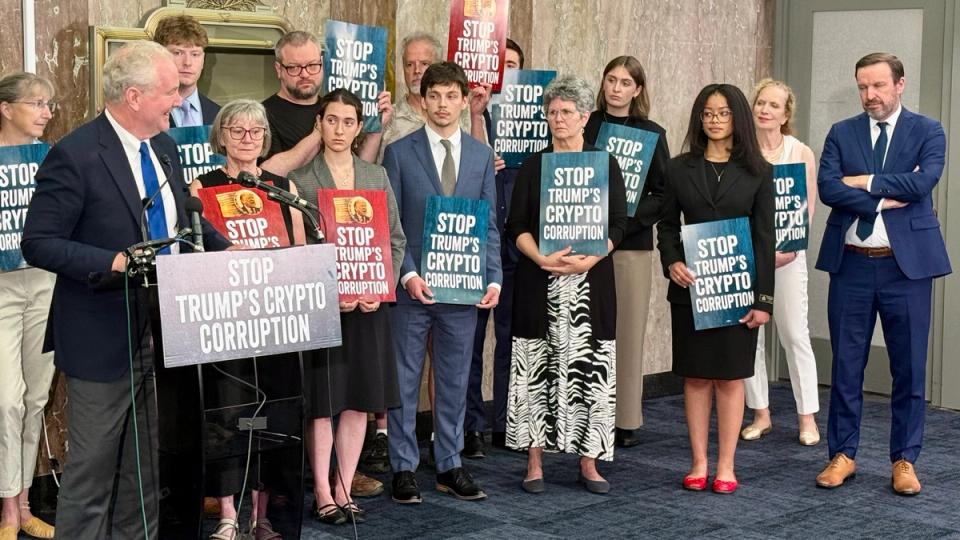
Senate Chaos: Democrats Label 'Clarity Act' as Corrupt, Threatening Crypto Regulation
This internal opposition creates significant uncertainty for the crypto market, as the bill's success hinges on securing a substantial number of Democratic votes. Failure to pass this framework could leave the digital asset industry in a regulatory vacuum, potentially stifling institutional adoption and market stability.

Bitcoin Treasury Crisis: Collateral Calls Hit Hard as 12-Hour Liquidation Window Looms
This instability is compounded by the terrifying speed of modern crypto lending, where certain loans can face liquidation in as little as 12 hours. This narrow window for response means that sudden Bitcoin price swings could trigger a rapid chain reaction of liquidations, potentially destabilizing institutional holders and the broader market.

The Death of Memecoin Mania? Major Exchanges Pivot to Tokenized Assets
By analyzing over 10,000 listings and 4,000 delistings across the top ten exchanges, the study highlights a pivot away from pure speculative hype. This trend suggests that major players are prioritizing tokenized assets to attract institutional liquidity and provide more stable, value-driven investment opportunities within the crypto ecosystem.

Uniswap (UNI) Disrupts DeFi with New AI-Powered Automated Trading Tools
This evolution marks a significant shift in the DeFi landscape, moving toward more accessible and intelligent liquidity management. As Uniswap implements these automated solutions, it aims to provide retail and institutional users alike with the tools necessary to navigate market volatility with precision and ease.

Crypto Whales Are Loading Up on Cardano While Retail Investors Dump ADA
This shift highlights a significant transfer of assets from panicked retail traders to sophisticated whales. Despite the current ecosystem challenges, the heavy accumulation suggests that major players view the present price action as a prime opportunity to build long-term positions in the Cardano network.
