Global Crisis Looming: El Niño and Iran Conflict Fuel Food and Energy Price Fears
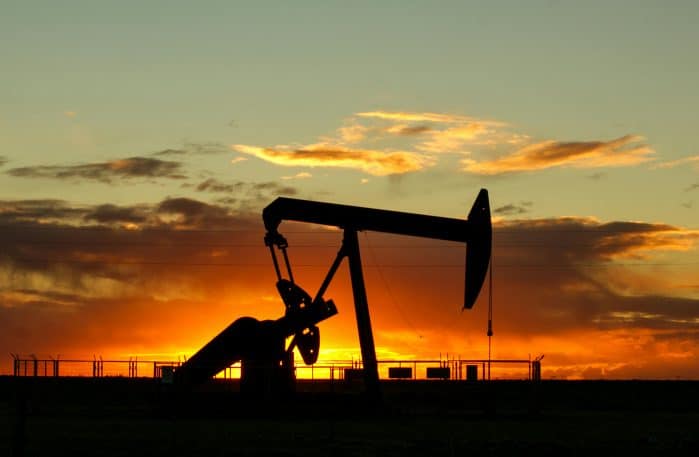
A perfect storm is brewing in global markets as the El Niño climate phenomenon and escalating geopolitical tensions in Iran threaten to disrupt worldwide supply chains. This convergence of risks is driving immediate concerns regarding the volatility of essential commodity prices.
The interplay between climate instability and military conflict poses a significant threat to global economic stability and inflation rates. As food and energy prices face upward pressure, the potential for widespread economic destabilization remains a critical concern for global markets and policymakers alike.
This is a summarized and adapted version by Artificial Intelligence. To read the complete original story, visit the official source.
Read Full Article at Crypto BriefingSupport Jornal Bitcoin
Independent journalism, curated by AI, no clickbait. Keep the flame alive with any amount of BTC.
jonata@walletofsatoshi.comDaily Crypto Brief 📬
Subscribe to receive the curation of the most important Bitcoin and crypto news, summarized by AI. No spam.
Join more than 10,000 smart readers.
Related News

Economic Warning: Euro-zone Growth Forecast Slashed for 2026 Amid Iran Conflict and Energy Shock
This downward adjustment is expected to trigger a domino effect, heavily influencing central banks' monetary policies worldwide. As traditional markets brace for impact, the resulting volatility may drive capital toward alternative assets as investors seek refuge from geopolitical and energy-driven uncertainty.

Flashpoint: Iran Shoots Down US-Israeli Drone Over Bandar Abbas, Fueling Regional Chaos
Beyond the immediate tactical engagement, the incident threatens to destabilize global economic dynamics and reshape geopolitical alliances in the Gulf. The potential for retaliatory military actions poses a significant threat to regional stability and international energy security.
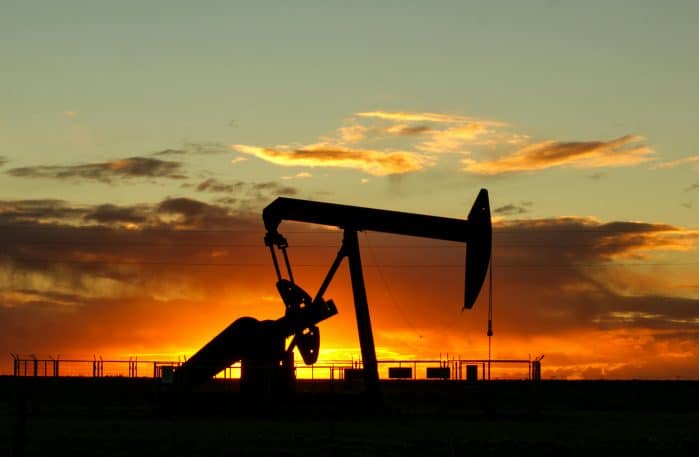
China's Crude Import Surge: A Global Oil Price Catalyst?
Beyond mere pricing, this shift carries heavy geopolitical weight, threatening to reshape established supply routes and global energy security. As China ramps up its consumption, the ripple effects will be felt across international markets, influencing everything from inflation to the strategic importance of Middle Eastern trade corridors.
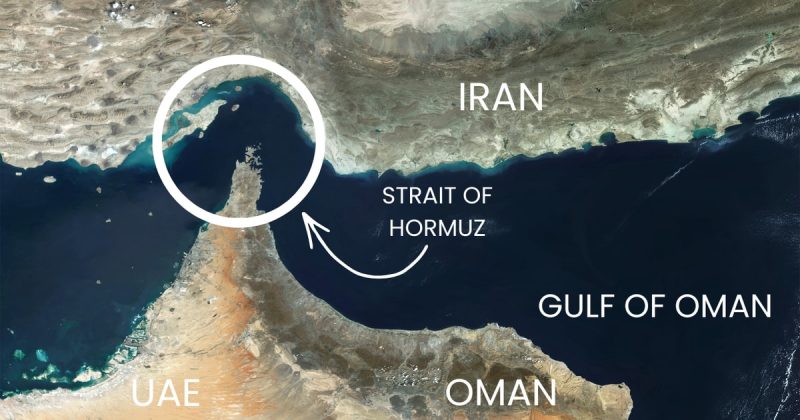
Geopolitical Shock: Hormuz Traffic Plummets Amid Renewed US-Iran Military Strikes
This geopolitical friction is more than a regional dispute; it is a systemic threat to economic stability. The ongoing escalation raises profound concerns regarding regional security and the broader economic impacts, potentially driving volatility across both energy commodities and global financial markets.

Bitcoin Defies Chaos: BTC Holds Steady as War-Driven Selloff Devastates Global Markets
This divergence highlights a growing trend where Bitcoin acts independently of traditional risk-off assets. As the global selloff hits conventional commodities and equities, Bitcoin's ability to maintain its price level suggests it is increasingly being viewed through a lens distinct from the immediate panic affecting legacy financial markets.
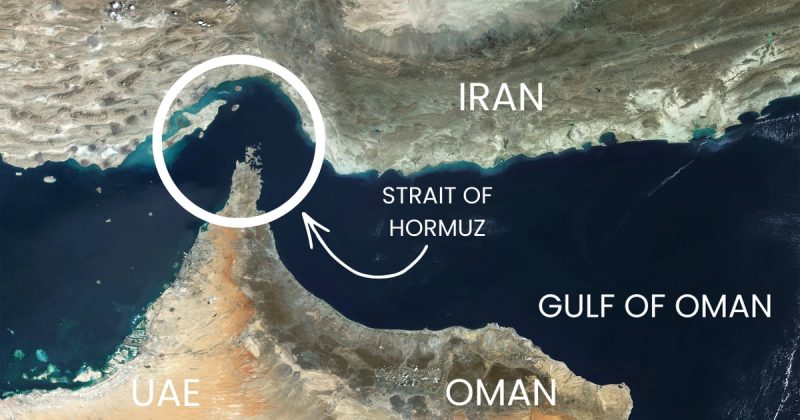
Oil Price Surge: US-Iran Clash in Strait of Hormuz Sparks Global Market Fears
Beyond the immediate spike, the ongoing friction threatens long-term global economic stability. As the energy markets react to the potential for supply disruptions, the ripple effects are expected to influence broader financial landscapes and commodity trading patterns.
