Geopolitical Alert: US-Iran Tensions Surge, Threatening Global Market Stability
The global geopolitical landscape is facing a critical breaking point as the US terminates its existing agreement, triggering a sharp rise in military escalations. This strategic shift intensifies US-Iran tensions, creating a high-stakes environment of uncertainty that threatens to disrupt global financial markets and energy security.
Rising instability in the Strait of Hormuz poses a direct threat to oil supply chains, risking massive destabilization in global commodity markets. As military actions escalate and diplomatic channels fail, investors must brace for systemic risks and increased volatility across both traditional and digital asset classes.
US-Iran tensions have escalated significantly following Trump's decision to end the standing agreement, leading to a surge in military actions. This heightened friction risks destabilizing global oil markets and severely hindering ongoing diplomatic efforts to prevent a larger conflict.
Central to the crisis is the increasing uncertainty surrounding the Strait of Hormuz, a vital artery for global energy transit. The potential for military confrontation in this corridor could trigger significant shocks to the global economy and heighten market volatility.
This is a summarized and adapted version by Artificial Intelligence. To read the complete original story, visit the official source.
Read Full Article at Crypto BriefingSupport Jornal Bitcoin
Independent journalism, curated by AI, no clickbait. Keep the flame alive with any amount of BTC.
jonata@walletofsatoshi.comDaily Crypto Brief 📬
Subscribe to receive the curation of the most important Bitcoin and crypto news, summarized by AI. No spam.
Join more than 10,000 smart readers.
Related News

Geopolitical Flashpoint: US Military Strikes Iranian Targets Near Strait of Hormuz
These US military strikes on Iranian targets could lead to a rapid escalation of regional tensions, potentially increasing the likelihood of a widespread military conflict. As geopolitical instability rises, investors often pivot toward crypto assets and gold as hedges against the chaos of potential disruptions in vital maritime trade routes.
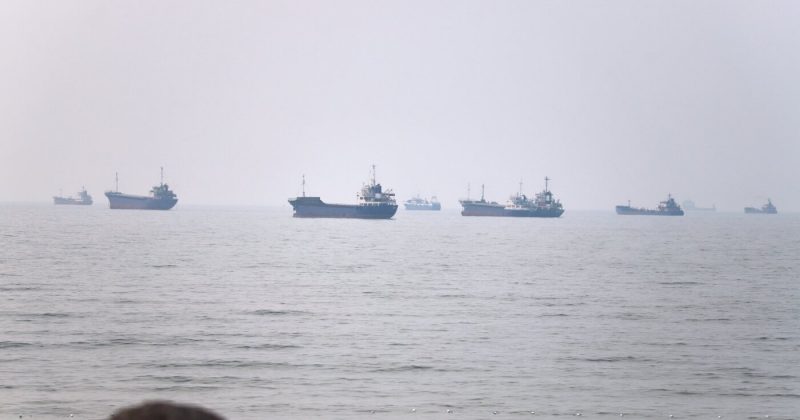
Geopolitical Shockwave: Iran Strikes Cargo Ship in Strait of Hormuz, Defying US Ultimatum
This aggressive maneuver exacerbates regional instability and undermines ongoing diplomatic efforts to stabilize the Middle East. Market participants are bracing for impact, as the attack heightens uncertainty over maritime traffic normalization, a factor that could trigger sudden shifts in global trade and risk-on asset classes.

Hormuz Strait Crisis: IRGC Missile Strikes Shake Oil Markets and Expose Iran’s Crypto Sanctions Playbook
The intersection of maritime conflict and decentralized finance suggests a new era of regulatory scrutiny. As the Strait of Hormuz remains a flashpoint, the use of crypto-based toll systems and payment methods by sanctioned regimes is expected to trigger intense oversight from global regulators aiming to protect the integrity of the crypto markets.
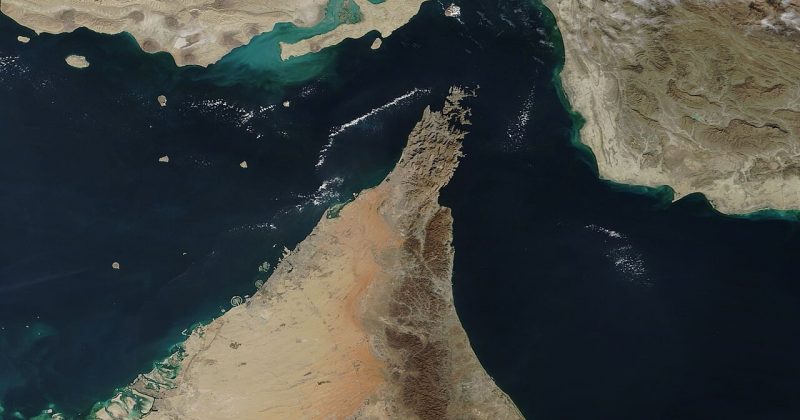
Geopolitical Crisis: Iran Closes Strait of Hormuz, Threatening Global Shipping Routes
This escalation threatens to disrupt global oil markets and trigger widespread economic instability. As traditional markets face potential shocks, the ripple effects could drive significant volatility across all asset classes, including the cryptocurrency market, as investors pivot toward safe-haven assets.
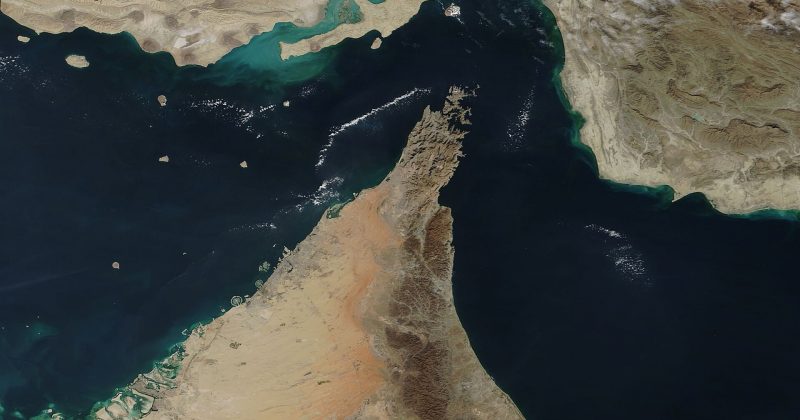
Hormuz Strait Crisis: Iran's Warning Shot Rattles Oil and Crypto Markets
This crisis underscores the growing utility of digital assets as a hedge against traditional systemic failures. As global trade dynamics shift due to the blockade, the ability of the crypto ecosystem to bypass traditional financial systems becomes a vital component for navigating international economic instability.

Hormuz Standoff: Polymarket Bets on July Normalization at 6.5% Amid Escalation
The geopolitical escalation highlights the fragile security landscape in the Middle East. By monitoring these Polymarket odds, analysts can gauge how prediction markets quantify the risk of maritime disruption and the broader implications of U.S.-Iran military friction on global stability.
