Geopolitical Alert: US Naval Blockade in Strait of Hormuz Delayed, Fueling Market Uncertainty
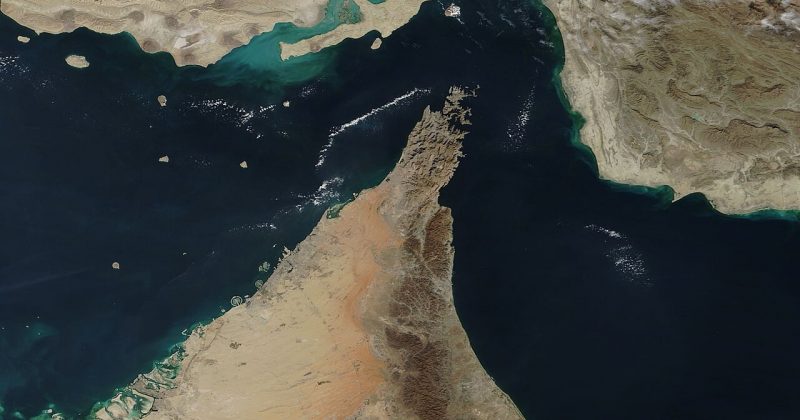
The delay of the US naval blockade in the Strait of Hormuz, pending a critical 24-hour notice, has sent shockwaves through global financial sectors. This strategic pause heightens market uncertainty and threatens the stability of the global oil supply, creating a high-stakes environment for traders.
As geopolitical tensions continue to simmer, the potential for sudden escalation remains a primary concern for risk management. The impact on energy markets and broader economic stability could be profound, as the world waits to see if the blockade will proceed and disrupt one of the world's most vital maritime chokepoints.
Market analysts suggest that the 24-hour window is a period of extreme sensitivity. Any movement regarding the implementation of the blockade could trigger massive shifts in commodity prices and risk assets, as the stability of global energy corridors hangs in the balance.
This is a summarized and adapted version by Artificial Intelligence. To read the complete original story, visit the official source.
Read Full Article at Crypto BriefingSupport Jornal Bitcoin
Independent journalism, curated by AI, no clickbait. Keep the flame alive with any amount of BTC.
jonata@walletofsatoshi.comDaily Crypto Brief 📬
Subscribe to receive the curation of the most important Bitcoin and crypto news, summarized by AI. No spam.
Join more than 10,000 smart readers.
Related News
Trump Dismisses Vietnam Comparisons as US-Iran Conflict Escalates
This escalation carries profound implications for international stability and future reconstruction deals. As geopolitical tensions rise, the market must brace for increased uncertainty, as the current trajectory suggests a shift away from diplomacy, potentially impacting global economic recovery and investor sentiment.
Trump-Saudi Alliance: The Geopolitical Shift Threatening Global Energy Markets
As these tensions rattle energy markets, the potential for volatility in oil prices remains extreme. The resulting economic instability could trigger significant shifts in global capital flows, forcing investors to re-evaluate risk across both traditional energy sectors and the broader crypto-asset landscape.
Polymarket Alert: Odds of Iran Regime Collapse Drop to 9.5% Amid Israel Election Set
The volatility is compounded by Israel's decision to hold national elections on October 27. As Benjamin Netanyahu confirms his candidacy under heavy scrutiny over security failures and the ongoing Gaza war, the political landscape in Israel is poised to become a primary driver for regional stability and Polymarket trends.
Geopolitical Shockwave: US Strikes 170 Iranian Targets as Trump Hints at Potential Deal
This dual strategy of military force and diplomatic readiness is poised to reshape regional stability and significantly influence global market dynamics. As uncertainty rises, the interplay between these high-stakes maneuvers will likely dictate market sentiment and the flow of capital across both traditional and digital asset classes.
Geopolitical Alert: Trump Claims Iran Would Deploy Nuclear Weapons Within a Day if Possessed
This escalation in U.S.-Iran tensions threatens to derail potential diplomatic resolutions and long-term negotiations. The aggressive rhetoric surrounding the conflict poses a direct threat to regional stability, creating a volatile environment that could trigger broader economic and security consequences.

Explosions on Iran’s Kish Island: Escalating Conflict Could Trigger Regime Change
The fallout from these explosions may significantly increase the likelihood of a regime change in Iran before 2027. As geopolitical tensions rise, the ripple effects are expected to impact global markets, potentially driving investors toward decentralized assets as a hedge against systemic volatility.
