Geopolitical Shock: Hormuz Traffic Plummets Amid Renewed US-Iran Military Strikes
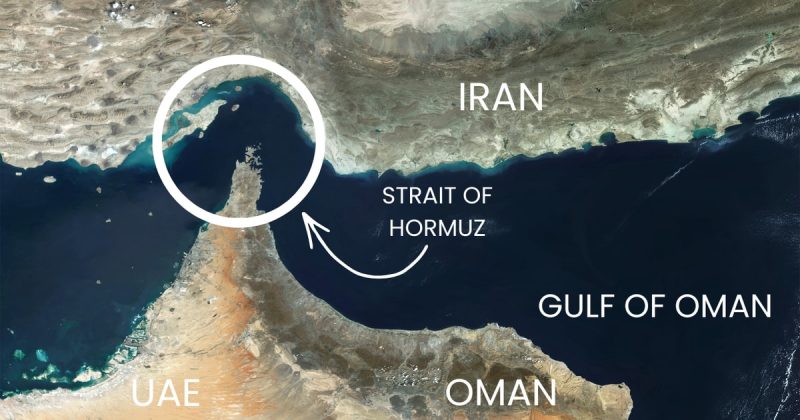
Global markets are bracing for impact as Hormuz traffic hits a multi-week low. The sudden decline follows a sharp escalation in US-Iran military strikes, creating a high-tension environment that directly threatens the stability of the global oil supply and critical maritime trade routes.
This geopolitical friction is more than a regional dispute; it is a systemic threat to economic stability. The ongoing escalation raises profound concerns regarding regional security and the broader economic impacts, potentially driving volatility across both energy commodities and global financial markets.
This is a summarized and adapted version by Artificial Intelligence. To read the complete original story, visit the official source.
Read Full Article at Crypto BriefingSupport Jornal Bitcoin
Independent journalism, curated by AI, no clickbait. Keep the flame alive with any amount of BTC.
jonata@walletofsatoshi.comDaily Crypto Brief 📬
Subscribe to receive the curation of the most important Bitcoin and crypto news, summarized by AI. No spam.
Join more than 10,000 smart readers.
Related News
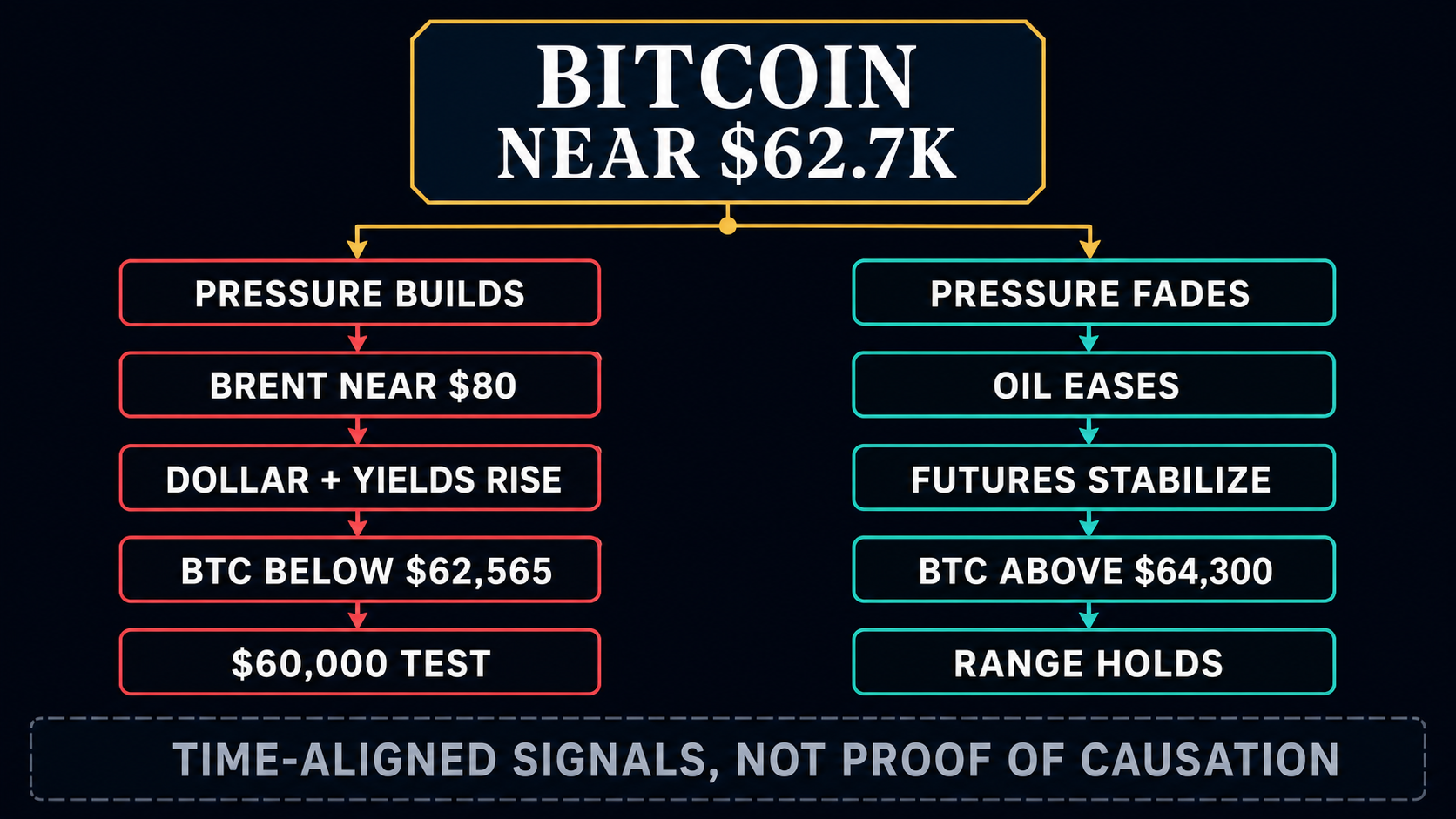
Geopolitical Chaos: Hormuz Oil Shock Puts Bitcoin's $60K Floor at Risk
This macro instability has reactivated the debate regarding Bitcoin's $60,000 price floor. As equity futures retreat and global tensions rise, the market is bracing for potential downside if the strengthening dollar continues to drain liquidity from the digital asset space.
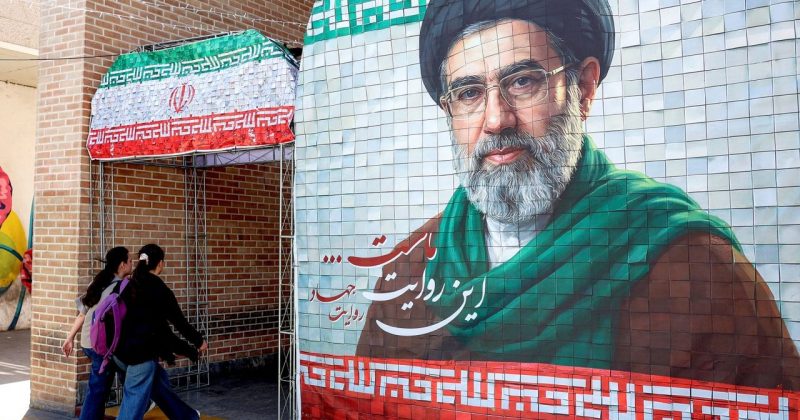
Middle East Escalation: US Strike in Central Iran Sparks Global Geopolitical Fears
Beyond the immediate casualties, the strike threatens to undermine the Iranian regime and derail ongoing peace negotiations. As geopolitical instability rises, market participants should prepare for heightened volatility and shifts in risk appetite across both traditional and digital asset classes.
Geopolitical Alert: NATO Braces for Russia Threat Amid US Support Uncertainty
Analysts warn that this strategic realignment could inadvertently heighten global tensions, potentially increasing the risk of a direct conflict with Russia by 2026. The move underscores a critical period of transition as the alliance seeks to secure its borders amidst shifting political landscapes and unpredictable international alliances.
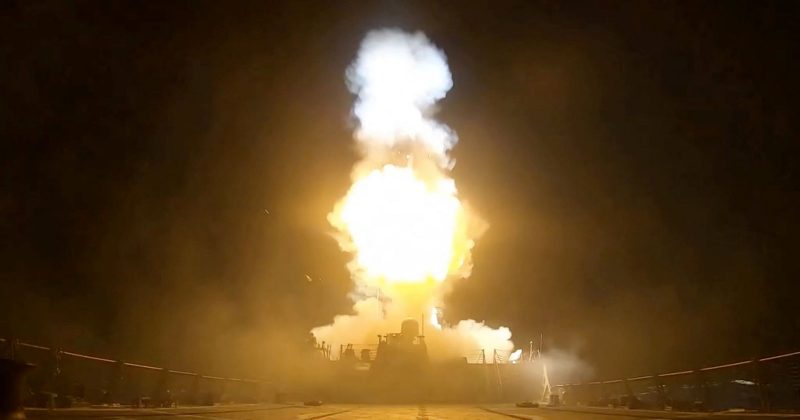
Middle East Escalation: Iran Strikes US Bases, Sending Shockwaves Through Global Markets
The implications of these missile attacks extend far beyond military borders, as the heightened Gulf tensions pose a direct threat to global economic continuity. Investors should prepare for increased market volatility and potential disruptions in energy and trade sectors as the world watches for further escalation in the Middle East.
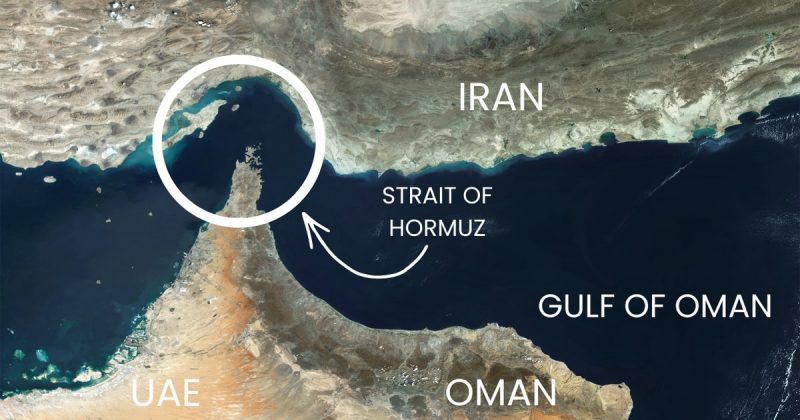
Strait of Hormuz Crisis: US Pressure Stalls Iran-Oman Strategic Talks
Beyond the immediate political fallout, these developments are sending ripples through global markets by eroding investor confidence. As the standoff persists, the potential for supply chain disruptions and heightened geopolitical risk remains a primary driver of market uncertainty.
Iran Under Pressure: Urgent Calls to Target Khamenei Assassination Plotters
As a power vacuum begins to emerge, the potential for prolonged political turbulence grows, posing a significant threat to regional geopolitical dynamics. The inability to secure the leadership could trigger a domino effect of unrest, impacting global security and shifting the balance of power across the Middle East.
