Geopolitical Debunk: HIMARS Strike on Bandar Abbas Deemed Impossible, Shaking Market Sentiment
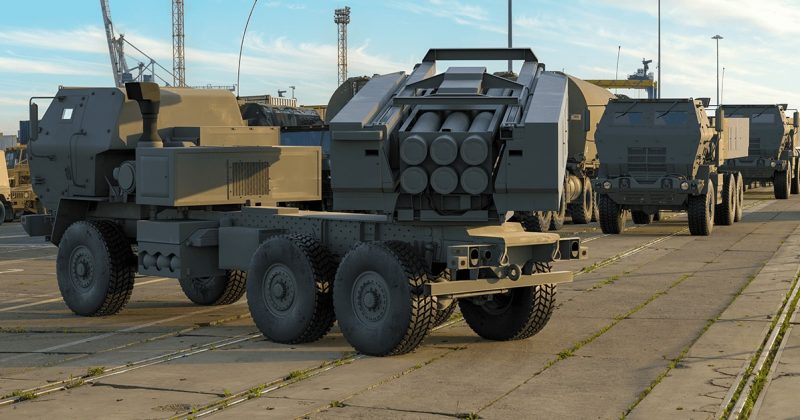
Claims regarding a HIMARS strike on Bandar Abbas launched from Kuwait have been officially deemed impossible, correcting a wave of misinformation. This intel brief confirms that the technical logistics of such an operation do not align with reality, providing a crucial correction for those monitoring Middle East tensions.
The impact of these false reports on market views cannot be understated, as rumors of Iranian military action against Gulf states often trigger rapid shifts in risk appetite. As the market processes this debunked claim, the focus shifts back to actual geopolitical stability and the impact of misinformation on global asset volatility.
This is a summarized and adapted version by Artificial Intelligence. To read the complete original story, visit the official source.
Read Full Article at Crypto BriefingSupport Jornal Bitcoin
Independent journalism, curated by AI, no clickbait. Keep the flame alive with any amount of BTC.
jonata@walletofsatoshi.comDaily Crypto Brief 📬
Subscribe to receive the curation of the most important Bitcoin and crypto news, summarized by AI. No spam.
Join more than 10,000 smart readers.
Related News

Global Chaos: Iranian Revolutionary Guard Halts Oil Exports, Sending Energy and Crypto Markets into Turmoil
Beyond the immediate energy crisis, this geopolitical shift highlights the critical impact of Iran's $3B crypto sanctions. As tensions rise, the intersection of energy scarcity and digital asset restrictions is creating a high-stakes environment, forcing market participants to navigate a landscape where geopolitical instability directly dictates asset pricing and liquidity.

Polymarket Bets: Starmer Hits 99% Probability as Next Leader Before 2027
The implications of this trend extend to global geopolitical forecasting, where prediction markets are increasingly outperforming traditional polling. As these odds solidify, the broader market must prepare for the consequences of a leadership transition that could reshape economic policies and international relations well before the 2027 horizon.
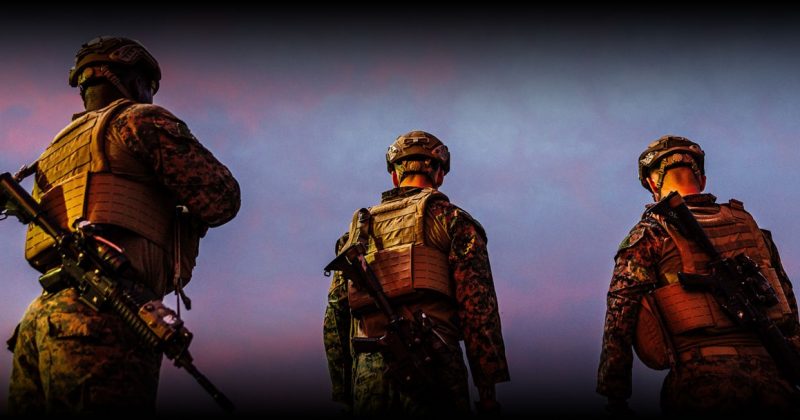
Geopolitical Flashpoint: US Marines Board Tanker Amid Iranian Port Blockade
Despite the immediate friction, maritime intelligence suggests that traffic through the Strait of Hormuz is expected to normalize by July 31, with a narrow 0.9% variance. Investors and analysts are closely monitoring these geopolitical shifts, as sudden disruptions in energy corridors often trigger massive liquidity movements across both traditional and crypto markets.
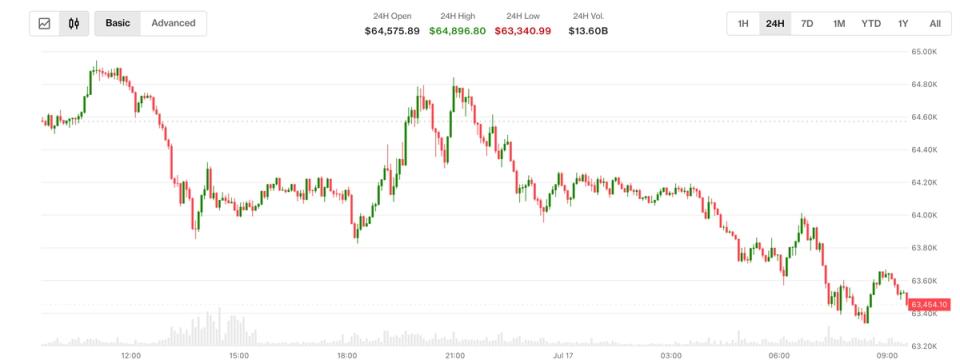
Bitcoin Drops Below $64,000 as U.S. Strikes on Iran and Trump's China Comments Fuel Panic
Adding to the volatility, recent comments from Donald Trump regarding China have stoked fears of renewed U.S.-China frictions. As investors brace for potential trade wars or diplomatic fallout, the uncertainty is driving a flight from volatile assets, leaving Bitcoin and other digital assets struggling to maintain support levels.
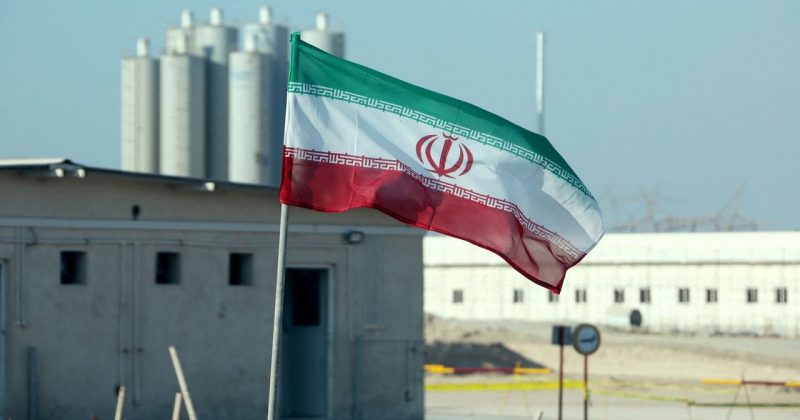
Iran's Power Crisis Puts $7.8B Crypto Ecosystem at Risk
As energy stability falters, the impact on the global Bitcoin mining landscape could be significant. This intersection of geopolitical conflict and energy scarcity highlights the growing vulnerability of digital asset infrastructure to state-level kinetic warfare and power grid instability.
Crash to $30K or Jump to $100K? 3 AIs Reveal Bitcoin's Likely Fate in 2026
This technological speculation underscores the intense volatility of the crypto market and the growing reliance on predictive algorithms. While the outcomes vary in magnitude, the unanimous consensus among the models provides a crucial signal for investors tracking the long-term trajectory of BTC and its market dominance.
