Nuclear Escalation Risk: Col. Macgregor Warns of U.S. Military Buildup in the Gulf

The global geopolitical landscape is on edge as Col. Macgregor warns that the U.S. military buildup in the Gulf significantly increases the risk of nuclear escalation. This strategic shift threatens to destabilize the region and could trigger a catastrophic chain reaction among global powers.
Looking ahead to 2026, the complexity of the situation is further heightened by potential discussions regarding Iran reconstruction funding as part of a broader U.S.-Iran deal. The tension between military posturing and the possibility of diplomatic reconstruction remains a critical variable for global security.
Col. Macgregor has issued a stark warning regarding the U.S. military buildup in the Gulf, stating that the current trajectory risks a dangerous nuclear escalation. The concentration of military assets in this volatile region has heightened fears of an uncontrollable conflict.
Amidst these tensions, there is emerging speculation regarding a potential U.S.-Iran deal in 2026, which could involve significant Iran reconstruction funding. The world remains watchful to see if military pressure or diplomatic financial restructuring will ultimately shape the future of the Middle East.
This is a summarized and adapted version by Artificial Intelligence. To read the complete original story, visit the official source.
Read Full Article at Crypto BriefingSupport Jornal Bitcoin
Independent journalism, curated by AI, no clickbait. Keep the flame alive with any amount of BTC.
jonata@walletofsatoshi.comDaily Crypto Brief 📬
Subscribe to receive the curation of the most important Bitcoin and crypto news, summarized by AI. No spam.
Join more than 10,000 smart readers.
Related News
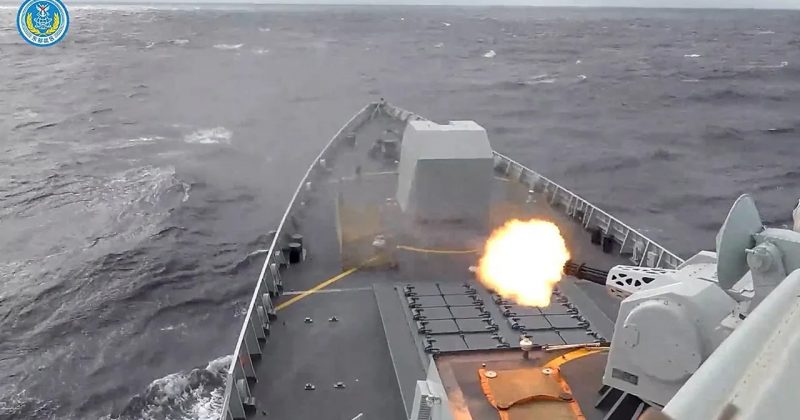
Geopolitical Alert: China Launches Live-Fire Military Drills Near Taiwan Amid Rising Tensions
Adding to the gravity of the situation, predictive models suggest an 11.5% probability of an invasion occurring by December 31, 2027. As these military drills intensify, the intersection of geopolitical risk and global financial markets becomes a focal point for those tracking systemic volatility and macro shifts.

US Air Strike Hits Iran: Geopolitical Tensions Rise Amid Airspace Closure Threats
Adding to the volatility, there is a 42.5% probability of a full airspace closure by July 31. As investors navigate these shifting dynamics, the intersection of military action in the Middle East and potential disruptions to global logistics remains a critical factor for monitoring market stability and safe-haven asset flows.

AI Warfare: White House Accuses Moonshot AI of Stealing Anthropic Tech
This escalation signals a significant shift in US policy, with officials warning that Chinese firms engaging in industrial-scale IP theft could face severe sanctions and export restrictions. While legitimate model distillation is recognized as a tool for efficiency, the US government is drawing a hard line against practices aimed at undermining American research and technological dominance.

Gold Surges: Middle East Tensions and Oil Spike Drive Safe-Haven Demand
Looking ahead, the momentum appears unstoppable, with market forecasts suggesting gold could hit a massive $4,600 by July 2026. As global instability persists, the role of gold as a critical store of value continues to strengthen against traditional market risks.
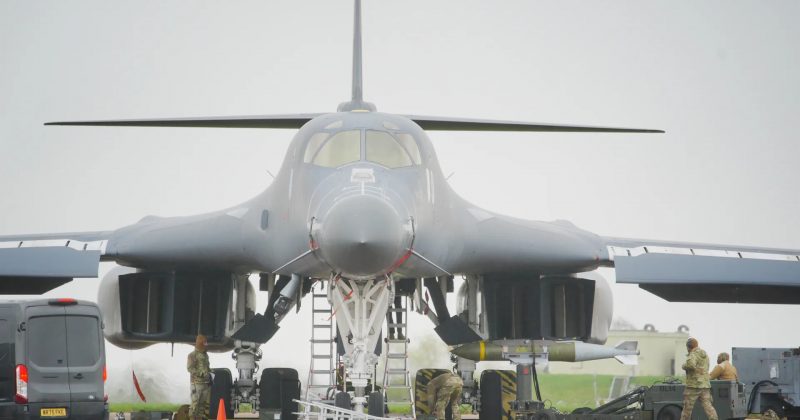
Geopolitical Alert: US Deploys B-1 Bombers Amid Escalating Iran Conflict
This escalation carries profound implications for global stability and market volatility. As the threat of military action intensifies, the impact on risk appetite and the broader economic landscape remains a primary concern for those tracking the intersection of defense news and global financial markets.
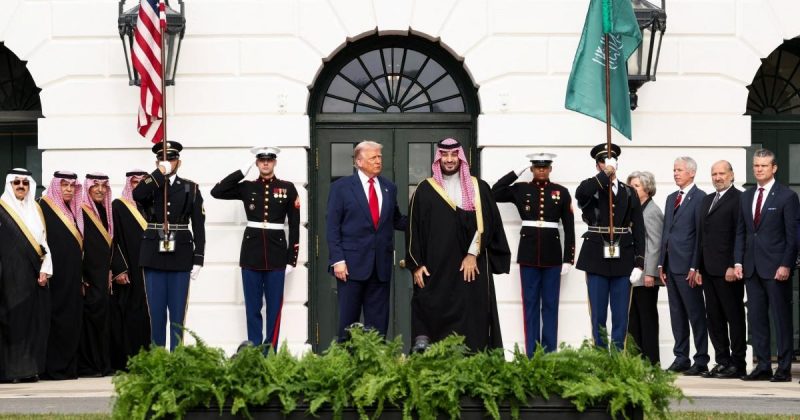
US-Saudi Nuclear Deal: Could Uranium Enrichment in the Middle East Trigger a Crisis?
As the implications of this deal unfold, attention is also turning toward the complexities of Iran reconstruction funding within broader US-Iran diplomatic frameworks. The convergence of nuclear policy, regional stability, and international energy security presents a high-stakes environment for global markets and political leaders alike.
