Justice Department Warning: Could the CLARITY Act Cripple Crypto Money Laundering Prosecutions?
The U.S. Department of Justice has issued a high-level warning regarding the proposed CLARITY Act, suggesting the legislation may inadvertently hinder critical law enforcement efforts. This intel brief underscores a growing tension between legislative frameworks and the practical ability of authorities to prosecute financial crimes within the crypto space.
Experts fear that the CLARITY Act could complicate ongoing and future money laundering cases by creating procedural hurdles for investigators. The potential impact is significant: if the act limits the tools available to track illicit flows, it may inadvertently provide a shield for bad actors operating within the digital asset market.
The Justice Department has flagged serious concerns regarding the CLARITY Act, warning that the proposed legislation could hinder the prosecution of money laundering cases involving cryptocurrencies. The DOJ suggests that the act's current framework might complicate the ability of federal agents to effectively monitor and penalize illicit financial activities, potentially undermining the security of the broader digital economy.
This is a summarized and adapted version by Artificial Intelligence. To read the complete original story, visit the official source.
Read Full Article at Crypto BriefingSupport Jornal Bitcoin
Independent journalism, curated by AI, no clickbait. Keep the flame alive with any amount of BTC.
jonata@walletofsatoshi.comDaily Crypto Brief 📬
Subscribe to receive the curation of the most important Bitcoin and crypto news, summarized by AI. No spam.
Join more than 10,000 smart readers.
Related News
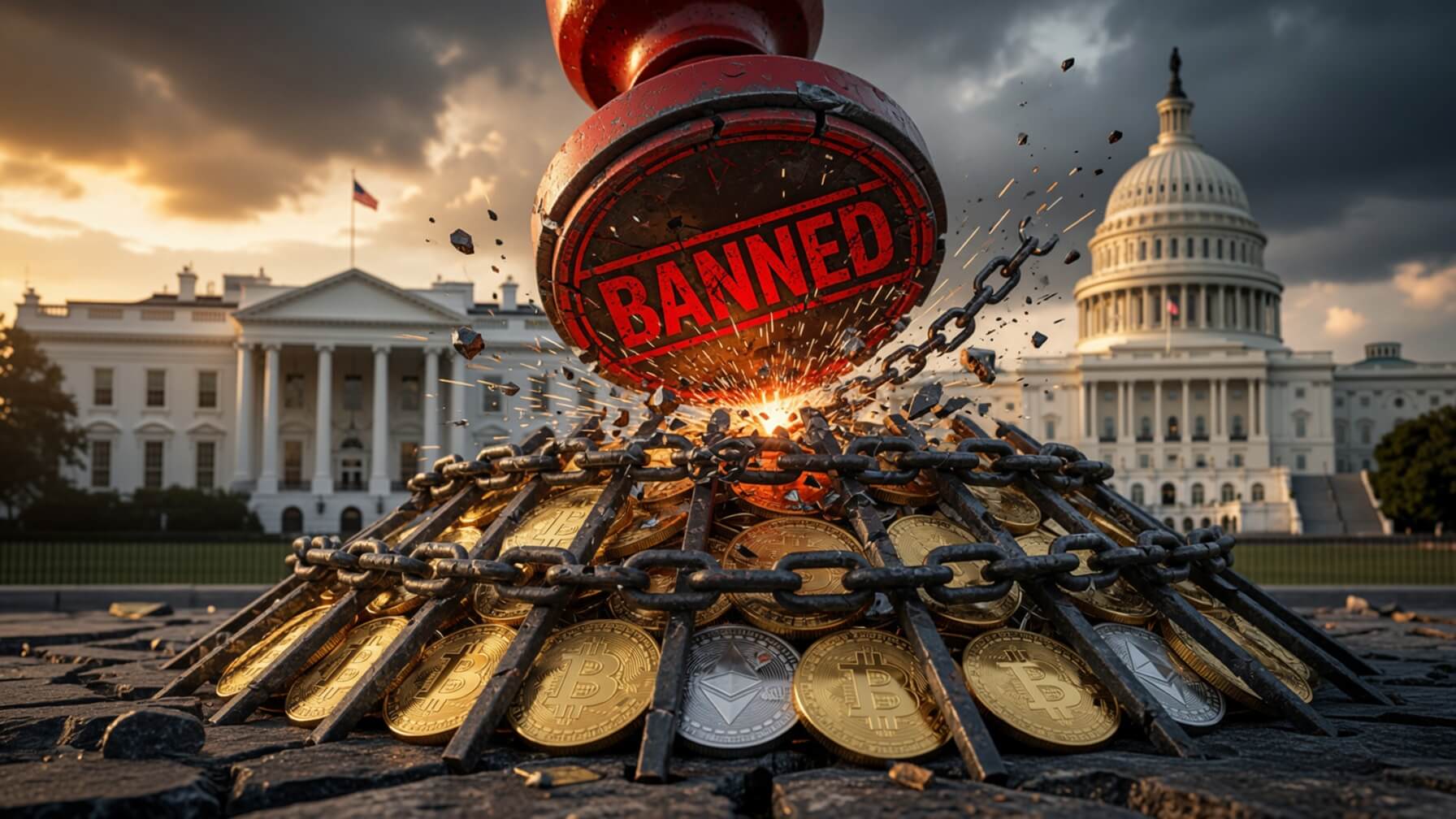
CLARITY Act Update: US Officials and Presidents Banned from Holding Crypto Tokens
This legislative push seeks to establish a comprehensive federal market-structure framework for digital assets within the United States. As the proposal moves forward, it signals a major shift in how the crypto market will be regulated and how institutional governance will interact with the evolving digital asset landscape.

Grayscale Moves to Boost Solana Trust with Quarterly Staking Rewards
By integrating these rewards, Grayscale is positioning the Solana Trust as a high-utility vehicle for institutional capital. This move could bridge the gap between pure price exposure and yield-bearing assets, potentially driving massive inflows into the Solana ecosystem as investors seek to optimize their crypto portfolios with automated staking yields.
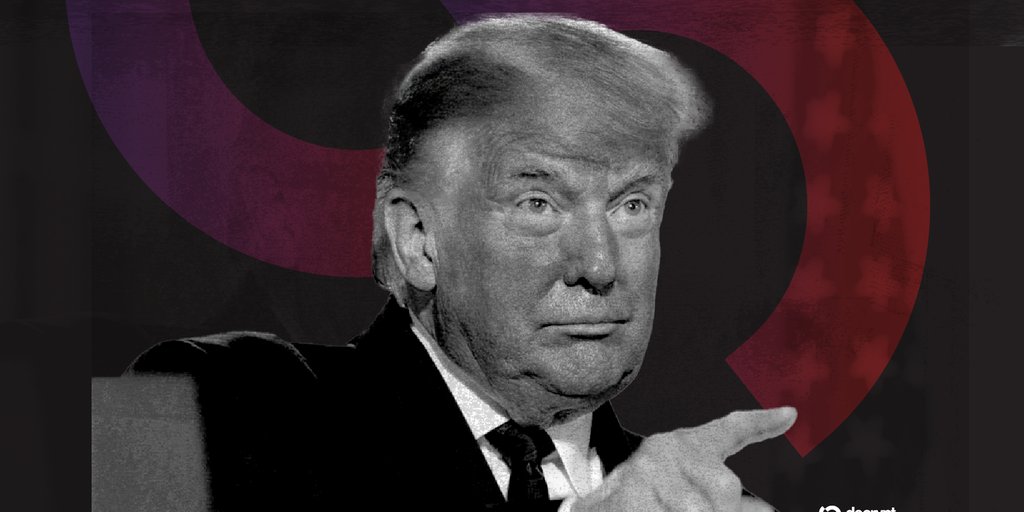
Clarity Act Update: New Draft Bars Trump from Crypto Ventures Until 2029
While the bill provides much-needed protection for non-custodial developers, the ethics ban is not permanent, set to expire in 2029. Furthermore, the burden of enforcement rests entirely with the Department of Justice (DOJ), leaving the long-term impact of these regulations on political involvement in the digital asset space to be determined.

Crypto Powerhouse: Industry Contributes $55 Billion to US GDP and Drives Massive Job Growth
The scale of this growth is staggering, with the crypto industry contributing an estimated $55 billion to the US GDP. This economic engine is also fueling a massive multiplier effect, generating over 75,000 indirect jobs and creating a vast ecosystem of professional opportunities within the digital asset space.
US Senate Unveils Updated Clarity Act Featuring Ethics Rules and Developer Protections
However, the path to final approval for the Clarity Act remains uncertain as lawmakers seek a broader consensus. The outcome of this bill will be a pivotal moment for crypto regulation in the United States, potentially setting the standard for how government oversight interacts with blockchain innovation and software development.

Arbitrum Foundation Eyes $43M Budget for 2027 Operations: A Strategic Move for Layer 2 Dominance
This move highlights the critical importance of treasury management and protocol sustainability in the evolving blockchain landscape. As the race for Layer 2 supremacy intensifies, the successful allocation of these funds could prove decisive in maintaining Arbitrum's competitive edge within the broader crypto ecosystem.
