Geopolitical Flashpoint: Kuwaiti Air Defenses Activated as Iran Targets US Airbase
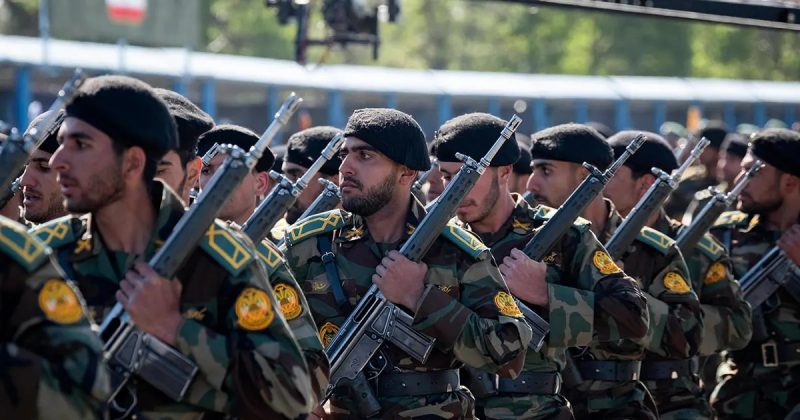
Tensions in the Middle East have surged as Kuwait activated its air defense systems following Iranian strikes targeting a United States military airbase. This rapid military response underscores a critical escalation in the Gulf region, marking a high-stakes moment for international security and regional stability.
As the threat of military action against Gulf states remains a significant concern, the broader implications for global energy markets and asset volatility cannot be ignored. Investors should monitor these developments closely, as geopolitical instability often serves as a primary catalyst for sudden shifts in both traditional and crypto markets.
Kuwait has activated its air defenses following reports that Iran targeted a US airbase in the region. The escalation comes amid heightened military tensions, with data suggesting a 45% probability of military action against a Gulf state by July 30. The activation of defense protocols highlights the immediate threat posed to regional infrastructure and US military assets.
This is a summarized and adapted version by Artificial Intelligence. To read the complete original story, visit the official source.
Read Full Article at Crypto BriefingSupport Jornal Bitcoin
Independent journalism, curated by AI, no clickbait. Keep the flame alive with any amount of BTC.
jonata@walletofsatoshi.comDaily Crypto Brief 📬
Subscribe to receive the curation of the most important Bitcoin and crypto news, summarized by AI. No spam.
Join more than 10,000 smart readers.
Related News
Geopolitical Shockwave: Eight Muslim Nations Denounce Al-Aqsa Raid Amid Middle East Tension
As the diplomatic fallout continues, market sentiment remains divided on the path to peace. Current data shows a 74.5% consensus favoring a potential ceasefire between Israel and Iran through July 25, a critical metric that could dictate whether the market enters a period of relief or further volatility-driven liquidation.
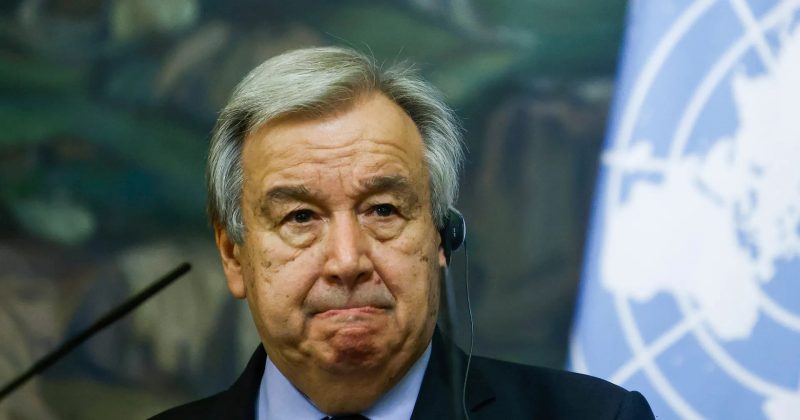
Geopolitical Flashpoint: Guterres Demands End to Gaza Suffering Amid Escalating US-Iran Military Strikes
Public sentiment heavily favors de-escalation, with a significant 74.5% majority supporting a ceasefire through July 25. As the standoff between the US and Iran continues to evolve, the pressure on global leaders to secure a ceasefire becomes increasingly paramount to prevent a wider regional conflict.
Brent Crude Hits $100: Trump Tariffs Trigger Trade Tensions and Record High Forecasts
Market sentiment is leaning heavily toward further upside, with a 20.5% probability priced in for a new all-time high by December. The combination of Trump's tariff policies and escalating trade friction is creating a high-stakes environment that could reshape liquidity flows across both traditional and crypto markets.
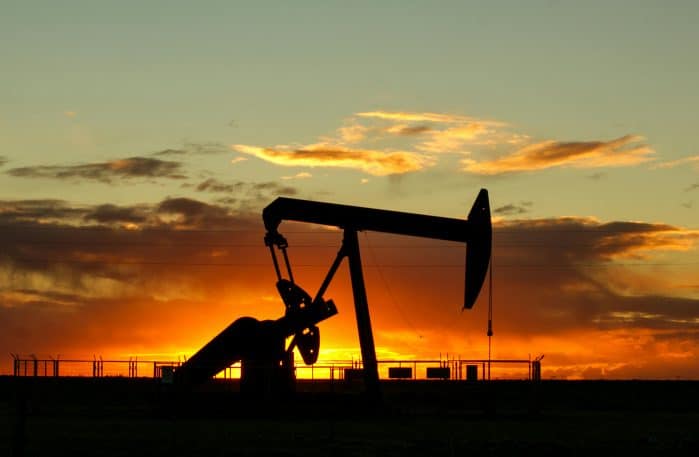
Oil Price Surge Empowers Iran to Defy US Negotiation Efforts
Market analysts are bracing for extreme volatility, with projections suggesting crude oil could hit new all-time highs by December 31, potentially surging by 20.5%. This shift in energy economics not only strengthens Iran's hand in international relations but also signals a period of heightened instability for global markets and commodity-linked assets.
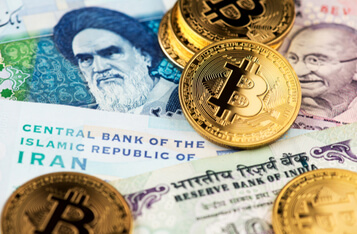
Middle East Escalation: Polymarket Keeps Iran Regime-Fall Odds at 10.5% Amid US Strikes
The intensification of conflict around vital shipping routes signals a high-stakes environment for global stability and market volatility. While the U.S. military actions increase the pressure on Tehran, the current Polymarket data suggests that a total regime collapse remains a low-probability event in the eyes of traders, despite the heightened risk of regional warfare.
Geopolitical Flashpoint: Trump Administration Threatens Major Attack on Iran Amid Nuclear Tensions
As the threat of conflict looms, analysts are also closely watching the long-term economic implications, including potential Iran reconstruction funding tied to US-Iran deals by 2026. The intersection of military aggression and high-stakes diplomatic negotiations creates a high-risk environment for institutional and retail investors alike.
