Market Shock: South Korean Stocks Slump Following First Rate Hike in Three Years
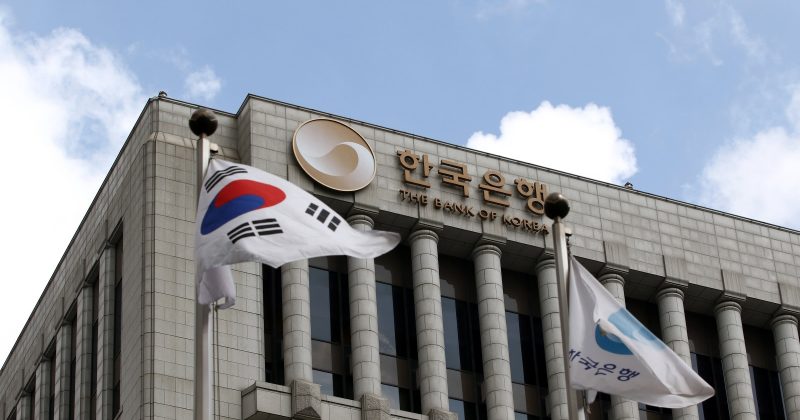
South Korean stocks have taken a significant hit following the first interest rate hike in three years. This strategic move signals a tightening of financial conditions, triggering immediate volatility across major indices as investors react to the shift in monetary policy.
Driven by escalating inflation concerns, the rate hike is expected to dampen consumer spending and squeeze corporate earnings. As the central bank prioritizes price stability, the broader economic impact could reshape market sentiment and influence global risk appetite.
South Korea stocks slumped following the first rate rise in three years. The hike signals tighter financial conditions, potentially impacting consumer spending and corporate earnings amid rising inflation concerns. Analysts are closely monitoring the fallout as the central bank attempts to stabilize the economy through aggressive monetary tightening.
This is a summarized and adapted version by Artificial Intelligence. To read the complete original story, visit the official source.
Read Full Article at Crypto BriefingSupport Jornal Bitcoin
Independent journalism, curated by AI, no clickbait. Keep the flame alive with any amount of BTC.
jonata@walletofsatoshi.comDaily Crypto Brief 📬
Subscribe to receive the curation of the most important Bitcoin and crypto news, summarized by AI. No spam.
Join more than 10,000 smart readers.
Related News

Sell the Rip? Two Major Bitcoin Groups Liquidate Positions as Price Hits $65,000
This strategic liquidation highlights a tug-of-war between macroeconomic tailwinds and profit-taking. While lower inflation fuels bullish sentiment, the selling pressure from these specific investor cohorts could create significant volatility as the market tests these higher price levels.

Canadian Dollar Surges: Oil Price Rally Pushes Currency Near Four-Week High
Beyond the immediate price action, this trend carries profound implications for inflation and long-term economic stability in Canada. As global oil market dynamics continue to evolve, the strengthening Canadian dollar could reshape trade balances and influence broader macroeconomic trends across North America.

Oil Price Surge: US-Iran Tensions Threaten Global Energy Security via Strait of Hormuz
Beyond immediate price spikes, this volatility could severely strain global economies and exacerbate existing geopolitical tensions. As the situation evolves, nations may be forced into rapid strategic shifts in energy policies to mitigate the impact of potential supply disruptions.

Polymarket Bets 82% Chance of No Fed Rate Cuts in 2026 Despite Yuan Strength Outlook
Despite a recent research note pitching near-term CNY strength against the USD, the impact on Fed rate forecast odds remained negligible. Analysts view the Yuan's potential upside as a specific foreign exchange tilt rather than a fundamental driver that would force a pivot in US central bank policy, leaving the high-interest-rate narrative intact.

Dogecoin Eyes Critical Moving Average as Softer Inflation Data Sparks Rally
As inflation cools, the broader market sentiment shifts toward risk-on assets, directly benefiting high-volatility tokens like Dogecoin. Investors are closely watching whether this technical setup will lead to a sustained trend reversal or if the asset will face immediate resistance at these critical levels.

Anthropic Eyes Massive IPO: AI Giant Negotiating Credit Line Expansion
These strategic maneuvers by Anthropic could set a significant precedent for AI firms aiming for high valuations and robust market confidence during their public offerings. By securing these credit facilities, Anthropic is positioning itself to navigate the complexities of the stock market while maintaining its aggressive competitive edge in the artificial intelligence sector.
