Stablecoin Regulation: ABcripto Submits Strategic Technical Note to Central Bank

ABcripto has taken a decisive step in shaping the industry's future by filing a strategic Technical Note with the Central Bank of Brazil and Congress. The document aims to define the legal framework for stablecoins in the country, providing a technical counter-proposal to the Central Bank's previous stance regarding Bill No. 4,308/2024.
This move is critical to ensuring that cryptoasset regulation fosters innovation rather than creating bureaucratic hurdles. By intervening directly in the legislative process, the association seeks to ensure that rules for stablecoins and digital assets remain balanced, safeguarding the cryptoeconomy ecosystem and providing legal certainty for both investors and businesses.
The Brazilian Association of Cryptoeconomy (ABcripto) has formally filed a detailed Technical Note with the Central Bank of Brazil and the rapporteur of Bill No. 4,308/2024. The document consolidates the entity's official position on how stablecoins should be legally classified within the national territory.
The initiative serves as a direct response to the Technical Note presented by the Central Bank, aiming to adjust regulatory guidelines to better reflect the market's technological reality. The goal is to influence the legislative debate and ensure that the regulatory framework for stablecoins in Brazil is technically viable and supportive of cryptoeconomy development.
This is a summarized and adapted version by Artificial Intelligence. To read the complete original story, visit the official source.
Read Full Article at LivecoinsSupport Jornal Bitcoin
Independent journalism, curated by AI, no clickbait. Keep the flame alive with any amount of BTC.
jonata@walletofsatoshi.comDaily Crypto Brief 📬
Subscribe to receive the curation of the most important Bitcoin and crypto news, summarized by AI. No spam.
Join more than 10,000 smart readers.
Related News

AI Hallucination: Coinbase 'Predicts' Norway Victory Over Brazil Before Kickoff
In response to the blunder, CEO Brian Armstrong has ordered an immediate review of the platform's data verification processes. This incident underscores the growing risks associated with integrating artificial intelligence into financial and information services, where unverified automated outputs can lead to widespread misinformation.
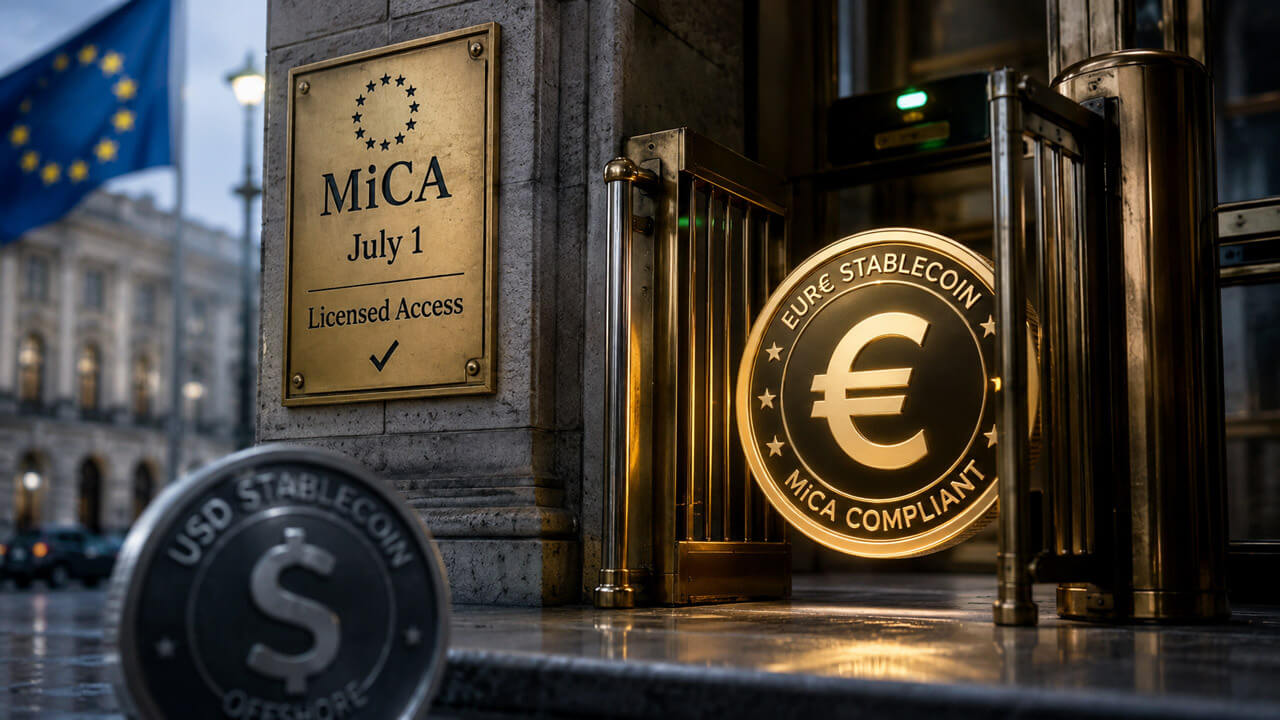
The MiCA Shift: How Banks are Seizing Control of Europe’s Stablecoin Infrastructure
This regulatory evolution brings major banks closer to dominating the stablecoin landscape, potentially centralizing the infrastructure used by everyday consumers. The consequences for decentralized finance (DeFi) and user autonomy remain a critical point of debate as the EU sets the global standard for crypto compliance.

XRPL Stablecoin Supply Hits $900M: Why RLUSD Isn't the Only Story
While RLUSD accounts for a staggering 94.9% of the total supply, the emergence of Valtorum's USDV, now at $39.3 million, highlights a growing trend of diversification. This breakout in XRPL stablecoin volume proves that the ledger is evolving into a multi-issuer ecosystem, reducing reliance on a single entity and fostering broader DeFi utility.
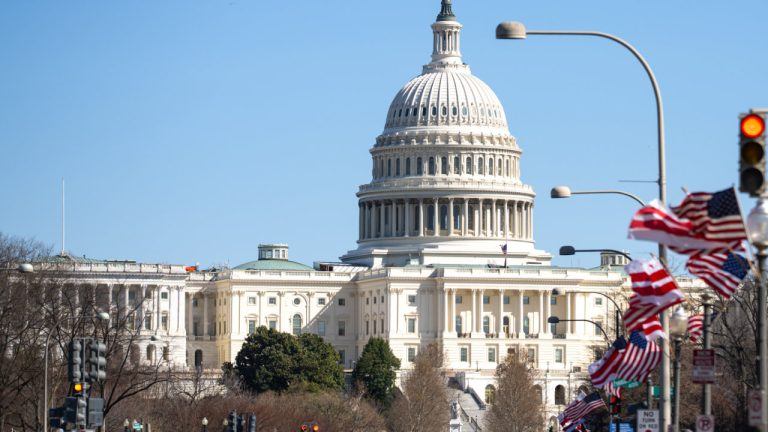
Deadline Missed: CLARITY Act Fails Trump’s July 4 Target, Leaving Only 25 Days to Pass
With the Senate returning on July 13 and a recess looming on August 7, the crypto industry's long-sought market structure bill is racing against the clock. This delay places immense pressure on lawmakers to finalize the framework before the summer break.
ABcripto Slams Brazil's Central Bank Over 'Disproportionate' 24-Hour Stablecoin Lock
By imposing this lock, the measure risks stifling transparent market actors who rely on regulated entities for liquidity, while failing to deter illicit actors who operate outside standard channels. This move could create significant operational hurdles for the growing crypto ecosystem in Brazil without effectively curbing financial crime.

Stablecoin Surge: Transaction Volume Shatters Records at $1.79 Trillion
This surge, which eclipses the previous high set in February, represents a 125% year-over-year increase. As stablecoin transaction volume continues to climb, industry experts suggest that these assets are rapidly maturing and securing their role as a fundamental pillar of the evolving global payments infrastructure.
