The Tokenization Illusion: 94% of Crypto-Backed Stock Market Relies on a Single Intermediary
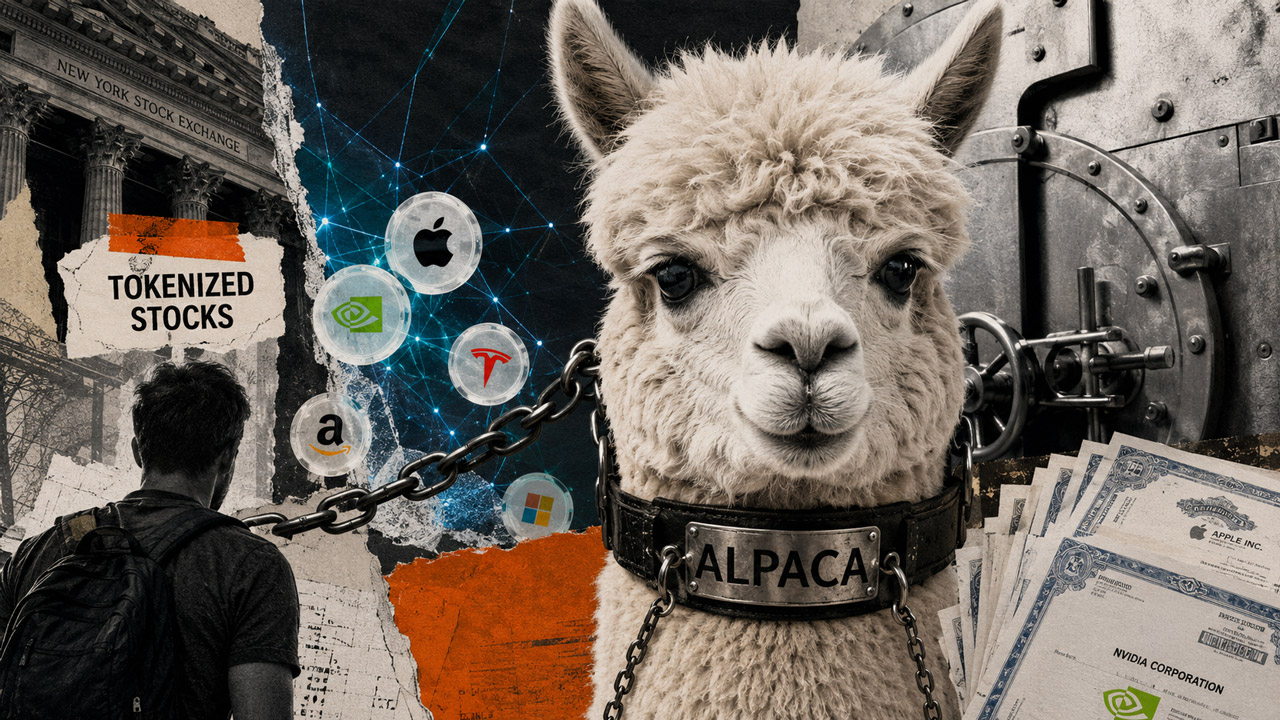
The dream of a brokerless financial future is facing a reality check. Recent data shows that 94% of the tokenized equities market relies on Alpaca, which currently custodies over $1.5 billion in shares to back these digital assets. Instead of a decentralized revolution, the market is seeing massive concentration in a single infrastructure provider.
This centralization brings significant regulatory and operational scrutiny. As the DTCC prepares to launch its own tokenization service this October, the SEC has issued warnings regarding the ownership risks and intermediary exposure inherent in third-party stock tokens, highlighting the gap between crypto's promise and its current execution.
Crypto promised to eliminate stockbrokers, but the reality of the tokenized equity market tells a different story. According to recent measurements, Alpaca custodies more than $1.5 billion in shares backing tokenized equities, representing the vast majority of the market. This reveals a profound reliance on centralized infrastructure rather than the peer-to-peer ideal.
The landscape is shifting rapidly. With the DTCC preparing to launch its own tokenization service in October and the SEC warning that third-party stock tokens can expose investors to additional ownership and intermediary risks, the industry is at a crossroads. The question remains whether tokenization is truly democratizing finance or simply creating new, centralized gatekeepers.
This is a summarized and adapted version by Artificial Intelligence. To read the complete original story, visit the official source.
Read Full Article at CryptoSlateSupport Jornal Bitcoin
Independent journalism, curated by AI, no clickbait. Keep the flame alive with any amount of BTC.
jonata@walletofsatoshi.comDaily Crypto Brief 📬
Subscribe to receive the curation of the most important Bitcoin and crypto news, summarized by AI. No spam.
Join more than 10,000 smart readers.
Related News
The Multi-Trillion-Dollar Engine Behind 90% of Crypto Trading Hits the US—and CME is Fighting Back
This massive shift has triggered an immediate legal offensive from the CME Group, which is seeking to crush this new competition. As the battle unfolds, the outcome will dictate whether these high-leverage crypto derivatives will democratize access to professional-grade trading tools or remain locked behind the walls of traditional institutional exchanges.

IMF Praises Brazil's Pix System and Highlights Rapid Crypto Adoption
Crucially, the IMF report also shines a spotlight on the rapid growth of cryptocurrency operations within the country. By analyzing the intersection of traditional finance and digital assets, the report underscores how Brazil's approach to cryptocurrency regulation is shaping the future of its financial landscape.

Brazil’s Crypto ETF Market Triples: Latin America Emerges as a Global Crypto Fund Launchpad
As Latin America evolves into a strategic launchpad for crypto funds, the region is reshaping global market dynamics. This growth presents both unprecedented investment opportunities and complex regulatory challenges, setting the stage for a new era of financial integration across the continent.

Bottoming Out? Bitcoin Shows Resilience Despite TradFi Headwinds
This recovery attempt comes at a pivotal moment for market structure. Understanding these bottoming signs is crucial to determining whether Bitcoin can maintain its current support levels or if institutional pressure will continue to test the resilience of digital assets in the coming weeks.

Geopolitical De-escalation: Iran Refrains from Attacks, Easing US Tensions
The easing of Iran-US tensions is expected to pave the way for intensified diplomatic efforts and significantly lower the likelihood of European military involvement. As uncertainty subsides, the reduction in geopolitical risk could lead to improved sentiment across both traditional and crypto asset classes.

Treasury Market Warning: High Yields Send a Clear Signal to Fed Chair Kevin Warsh
As yields climb, the resulting increase in opportunity costs and dollar strength poses a direct challenge to risk assets. For the crypto markets, this environment often leads to increased volatility and capital outflows as investors pivot toward the safety of higher-yielding government securities.
