Crypto Briefing

67 Ships Attacked, 17 Seafarers Killed: Iran's Maritime War Threatens Global Energy Supply Chains

July 31, 202604:04 PM
67 Ships Attacked, 17 Seafarers Killed: Iran's Maritime War Threatens Global Energy Supply Chains

The maritime conflict involving Iran has reached a critical point, with 67 ships attacked and 17 seafarers killed in wartime operations. This situation represents a direct threat to global energy supply chains, with potential geopolitical and economic consequences of significant magnitude for international markets and oil prices.

Instability in international maritime routes, particularly in the Strait of Hormuz, a vital corridor for oil transportation, could cause significant disruptions in global energy supply. Investors and analysts are closely monitoring possible impacts on financial and crypto markets, as any interruption in oil flow could trigger price volatility and profoundly affect the global economy.

This is a summarized and adapted version by Artificial Intelligence. To read the complete original story, visit the official source.

Read Full Article at Crypto Briefing
QR Code Lightning

Support Jornal Bitcoin

Independent journalism, curated by AI, no clickbait. Keep the flame alive with any amount of BTC.

Wallet of Satoshi
jonata@walletofsatoshi.com

Daily Crypto Brief 📬

Subscribe to receive the curation of the most important Bitcoin and crypto news, summarized by AI. No spam.

Join more than 10,000 smart readers.

Related News

US Navy enforces Iran blockade with helicopter support, redirects 30 vessels
Crypto Briefing

US Navy enforces Iran blockade with helicopter support, redirects 30 vessels

The United States Navy has intensified operations in the Persian Gulf, implementing a blockade against Iran with military helicopter support and redirecting 30 vessels. This direct military action significantly elevates geopolitical tensions in the region, with potential global consequences for markets and diplomatic relations. The naval blockade represents a clear escalation in the dispute between Washington and Tehran, potentially affecting vital trade routes and oil supply. The military intervention, including the use of helicopters to intercept ships, demonstrates American determination to economically isolate Iran, but also increases the risk of direct confrontation and instability in global energy and cryptocurrency markets.
Bitcoin Holds July Gains, Eyes $30K as 'Forced-Selling Fuel Was Already Spent': Analysts
CoinDesk

Bitcoin Holds July Gains, Eyes $30K as 'Forced-Selling Fuel Was Already Spent': Analysts

Bitcoin has demonstrated remarkable resilience in July, maintaining its gains despite a constant barrage of negative news. Analysts attribute this strength to the fact that 'forced-selling fuel was already spent,' suggesting the worst of the bear market may be over. The world's largest cryptocurrency is now preparing to test resistance around the $30K level, a psychologically important threshold.

Trader caution remains elevated, with the market watching for upcoming jobs data and potential further interest rate hikes by the Federal Reserve. These macroeconomic factors continue to influence cryptocurrency market sentiment. Despite recent volatility, Bitcoin's ability to sustain its gains amid an adverse environment strengthens the confidence of some investors that the market bottom may have been reached, at least in the short term.
Tether Rakes In $1.5 Billion In Q2 With USDT Growth And Gold Reserves

Portal do Bitcoin★ Featured

Tether Rakes In $1.5 Billion In Q2 With USDT Growth And Gold Reserves

Tether, the company behind the world's largest stablecoin, has reported an impressive $1.5 billion profit in the second quarter, driven by exponential USDT growth and expansion of its gold reserves. The latest report reveals that the stablecoin is now backed by a diversified portfolio of assets, including US Treasury bonds, reinforcing its dominant position in the cryptocurrency market. This strong financial performance comes amid increasing regulatory scrutiny of stablecoins, demonstrating the resilience of Tether's business model. The increase in gold reserves, in particular, represents a strategy of decorrelation from traditional assets, offering users a more stable alternative during periods of global financial market volatility. The expansion of USDT continues to solidify its role as the primary bridge between the cryptocurrency world and the traditional financial system.
SecondFi Reaches Out to Hacker Who Stole $16.1M from Cardano with New Bounty
Bitcoinist

SecondFi Reaches Out to Hacker Who Stole $16.1M from Cardano with New Bounty

SecondFi has renewed its bounty offer to the attacker behind the $16.1 million Cardano exploit, showing an aggressive approach to recover the stolen 16.1 million ADA tokens. This bounty strategy represents a radical shift in how DeFi projects handle security breaches in the Cardano ecosystem. The SecondFi initiative could set a precedent for the cryptocurrency sector, particularly within the Cardano network. By offering a bounty instead of pursuing legal action, the team is prioritizing asset recovery and maintaining user confidence, which may influence how other DeFi projects handle security breaches in the future.
Bank of Italy Study: Stablecoins Offer No Real Cost Advantage for Remittances
CoinTelegraph

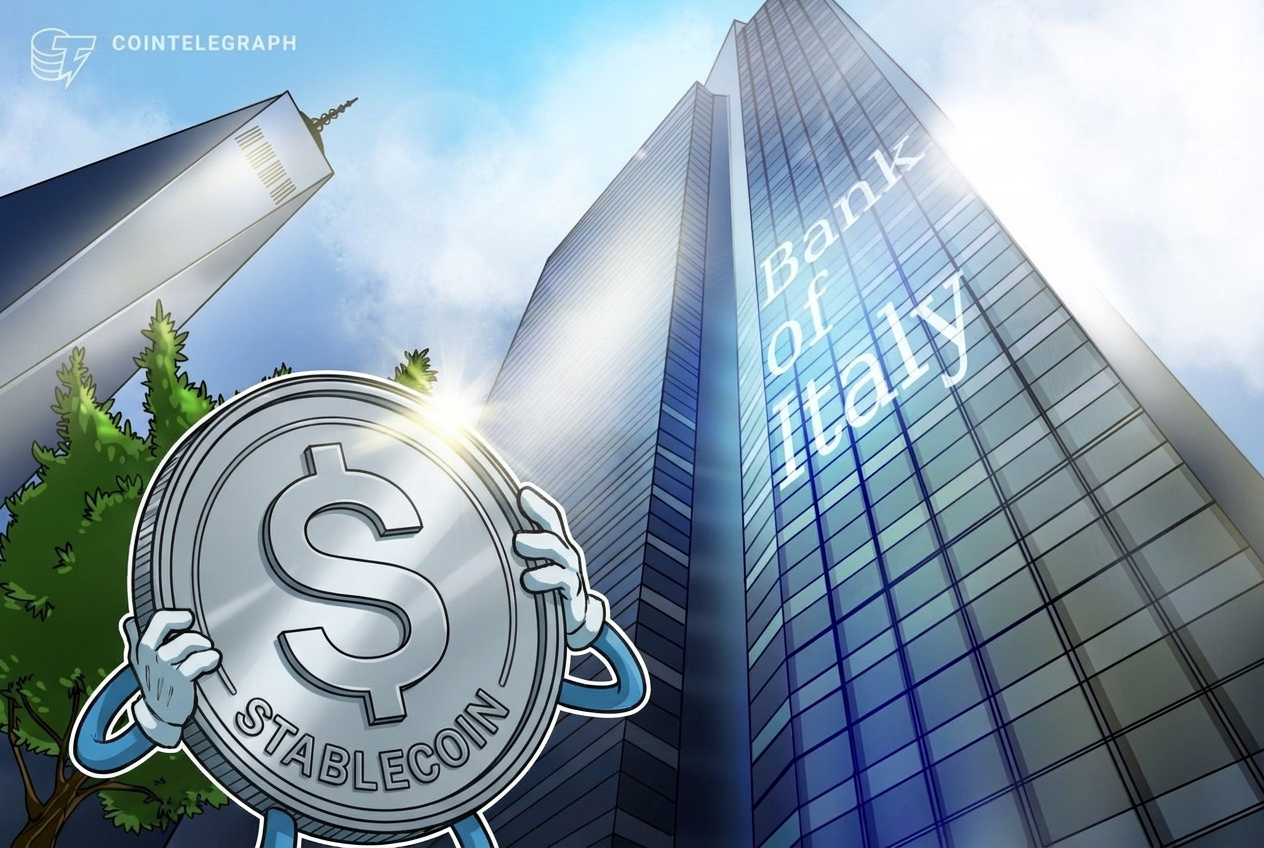
Bank of Italy Study: Stablecoins Offer No Real Cost Advantage for Remittances

A groundbreaking Bank of Italy study has shattered the myth that stablecoins provide a consistent cost advantage for international remittances. After testing 200 USDC transfers between Italy and five countries, researchers discovered that fiat conversion costs and payment infrastructure, not blockchain fees, accounted for the majority of expenses and delays in cross-border payments. Exchange fees and currency conversion made up most of the cost, while blockchain transaction fees represented only a small fraction.

The findings challenge the conventional wisdom positioning cryptocurrencies as inherently superior for remittances, suggesting that true efficiency gains in cross-border payments depend more on reducing friction in currency conversion and payment infrastructure rather than on blockchain technology itself. These insights are critical for regulators and fintech companies evaluating the practical implementation of stablecoins in the global payments landscape, highlighting the need to focus on traditional infrastructure improvements for real efficiency gains.

Microsoft, Amazon, and Google Add $1.5T in Market Cap in Single Week
Crypto Briefing★ Featured

Microsoft, Amazon, and Google Add $1.5T in Market Cap in Single Week

Microsoft, Amazon, and Google collectively added $1.5 trillion in market cap within a single week, driven by strategic investments in artificial intelligence. This exponential surge demonstrates how AI has become the primary growth engine for tech giants, surpassing market expectations and reshaping the technology investment landscape.

The phenomenon reflects a fundamental shift in market valuation perception, where AI technology bets are generating extraordinary returns for shareholders. This movement not only strengthens the dominant position of tech companies but may also have significant implications for broader risk assets, including cryptocurrencies and other growth sectors, as capital flows toward the most promising innovations in the market.

Jornal Bitcoin Logo