145,714 Healthcare Patients Exposed in Florida Data Breach

Florida-based substance use disorder treatment center Operation PAR suffers massive data breach, exposing personal information of 145,714 patients. The cybersecurity incident, confirmed by the U.S. Department of Health and Human Services, represents a significant threat to patient privacy and raises serious questions about healthcare data security protocols in the United States. This breach highlights critical vulnerabilities in healthcare digital infrastructure as institutions increasingly rely on electronic health records. With sensitive medical information now valuable targets for cybercriminals, incidents like this can lead to identity theft, insurance fraud, and other cybercrimes. Federal authorities are investigating the case while cybersecurity experts emphasize the urgent need for enhanced data protection measures across the American healthcare sector.
This is a summarized and adapted version by Artificial Intelligence. To read the complete original story, visit the official source.
Read Full Article at The Daily HodlSupport Jornal Bitcoin
Independent journalism, curated by AI, no clickbait. Keep the flame alive with any amount of BTC.
jonata@walletofsatoshi.comDaily Crypto Brief 📬
Subscribe to receive the curation of the most important Bitcoin and crypto news, summarized by AI. No spam.
Join more than 10,000 smart readers.
Related News
Microsoft Quietly Adds New Windows App That Wants to Scan Your Face
The integration of this application without explicit user notification demonstrates the growing trend of tech companies implementing AI features that collect biometric data. While facial grouping can offer convenience in photo album organization, the lack of transparency in implementation concerns privacy advocates. This development comes at a time when global data protection regulations are becoming stricter, forcing Microsoft to balance innovation with legal compliance.
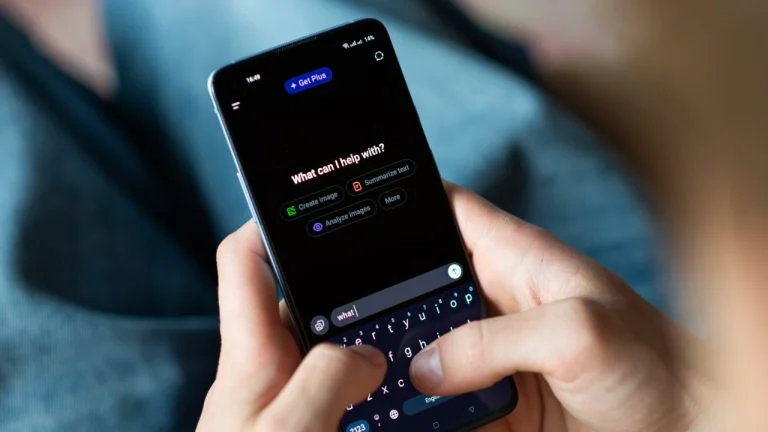
Privacy Breach: Your Claude AI Chats Are Leaking into Google Search
Triggered by Reddit users, the discovery underscores the growing tension between AI utility and data security. As AI tools become deeply embedded in professional workflows, the risk of accidental data exposure through search engine indexing poses a significant threat to users who assume their AI chats remain confidential.

Life in Prison? Myanmar Passes Brutal New Law Targeting Crypto Scams
This crackdown is a direct response to the rapid expansion of the cyberscam industry, which has turned segments of Myanmar into global hubs for online fraud. By imposing life sentences for crypto scams, the government aims to dismantle the organized crime networks utilizing digital assets to fuel their illicit operations.
Visa Goes Offensive: Anthropic’s Claude Mythos Deployed to Hunt Network Vulnerabilities
This move signals a major shift toward continuous adaptation in the fight against cybercrime. By leveraging cutting-edge AI for vulnerability detection, Visa is not just defending its perimeter but actively evolving its security posture to stay ahead of increasingly sophisticated global threats.

The AI Identity War: Hush Security Secures $30M to Govern Non-Human Agents
This massive funding round underscores a critical pivot in cybersecurity: the move toward managing autonomous entities. By addressing the vulnerabilities inherent in AI agent governance, Hush Security is building the necessary guardrails to prevent systemic failures in an increasingly automated global economy.

Privacy Nightmare: Your Private Claude Chats Were Publicly Indexed on Google
The scale of the exposure is alarming, with 11,241 messages already scraped and archived on GitHub. This incident serves as a stark warning regarding AI data security and the unintended consequences of LLM feature deployments.
