$1.8 Billion Leverage Trap Building on Solana as Traders Pay 11-Month High Rates to Defend $78

Intel Brief: A $1.8 billion leverage trap is building on Solana as traders pay 11-month high rates to defend the $78 price level. According to Velo data, aggregated funding on SOL perpetual futures has climbed to its highest level since September 2025, with futures open interest sitting near $1.8 billion, equal to roughly 23.1 million SOL in notional exposure at current prices.
Context and Impact: The current situation on Solana represents a high-risk scenario for traders, as the aggregated funding on SOL perpetual futures has reached record levels. Major exchanges including Binance, Bybit, Hyperliquid, and OKX are showing positive funding rates near 0.01% every eight hours, indicating upward pressure. This market dynamic could lead to mass liquidations if the SOL price fails to hold, potentially causing extreme volatility and negatively impacting overall cryptocurrency market sentiment.
This is a summarized and adapted version by Artificial Intelligence. To read the complete original story, visit the official source.
Read Full Article at CryptoSlateSupport Jornal Bitcoin
Independent journalism, curated by AI, no clickbait. Keep the flame alive with any amount of BTC.
jonata@walletofsatoshi.comDaily Crypto Brief 📬
Subscribe to receive the curation of the most important Bitcoin and crypto news, summarized by AI. No spam.
Join more than 10,000 smart readers.
Related News
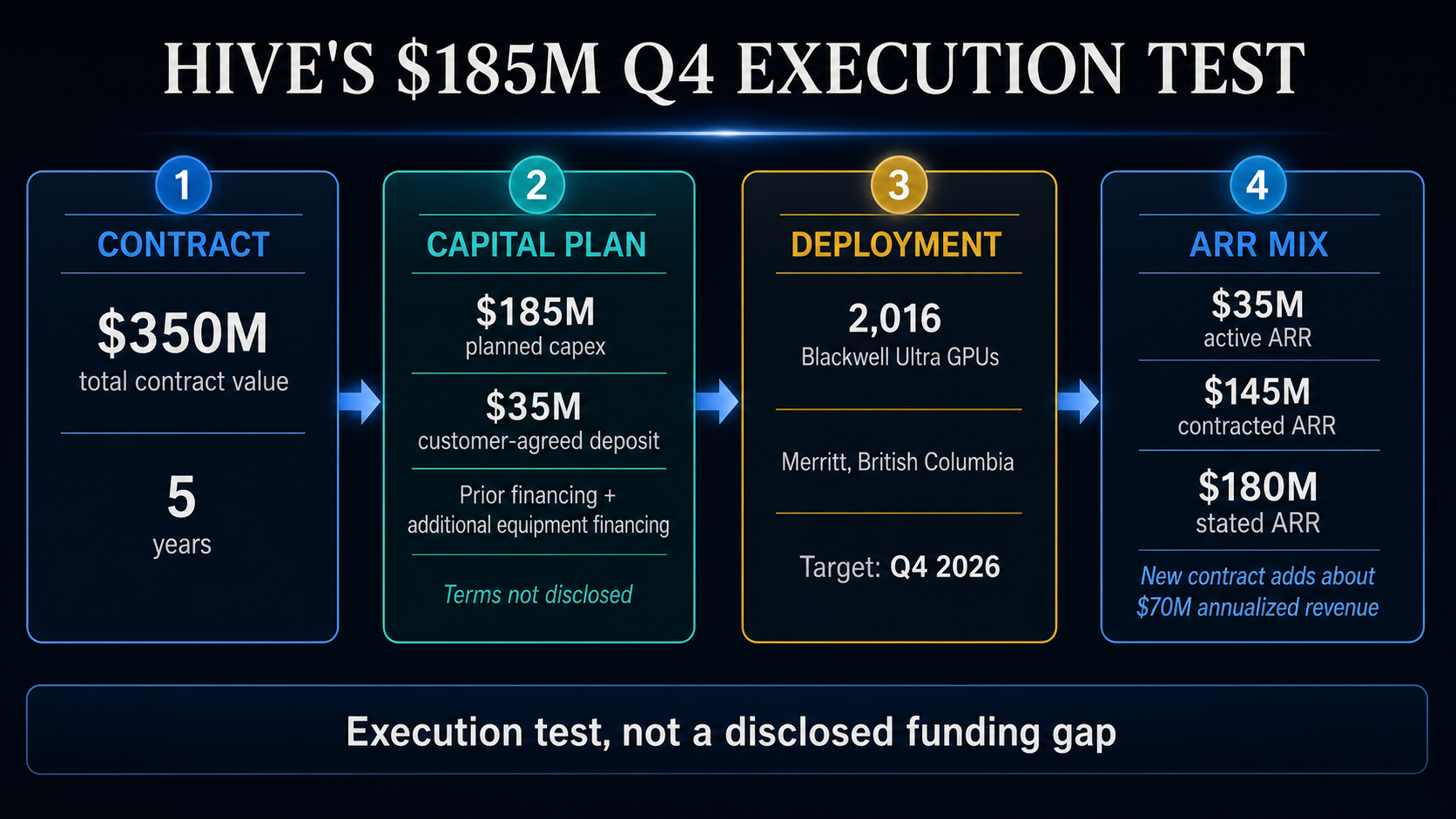
Bitcoin miner lands $350M AI deal, but needs $185M to make it happen

GE Vernova's AI Data Center Orders Double in First Half of 2025
Bitcoin Poised for New Buyers as Fast Money Gets Washed Out, Says Lyn Alden

Bybit to Restrict Brazilian Accounts: Registration Update Deadline Looms
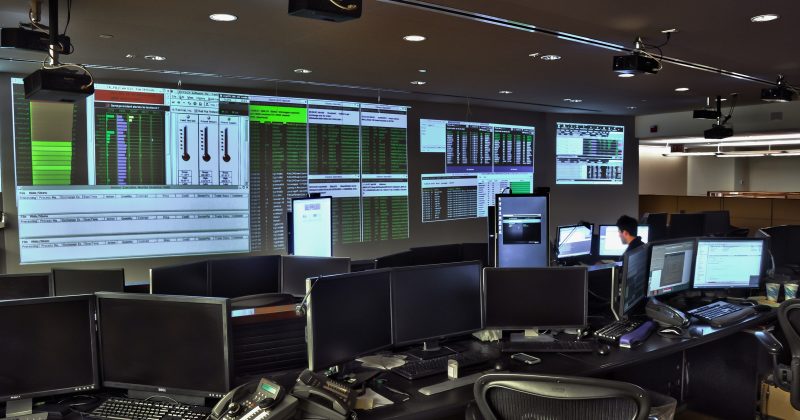
Interactive Brokers' Margin Loans Surge 49% to $100.7B as Investors Rush to Leverage
The surge in margin loans represents a warning sign for potential future volatility, particularly if economic conditions shift unexpectedly. Investors utilizing leverage amplify both gains and losses, making the market more susceptible to sharp corrections. Analysts caution that this level of speculative borrowing could accelerate market downturns should sentiment change.